
 Solar Inverter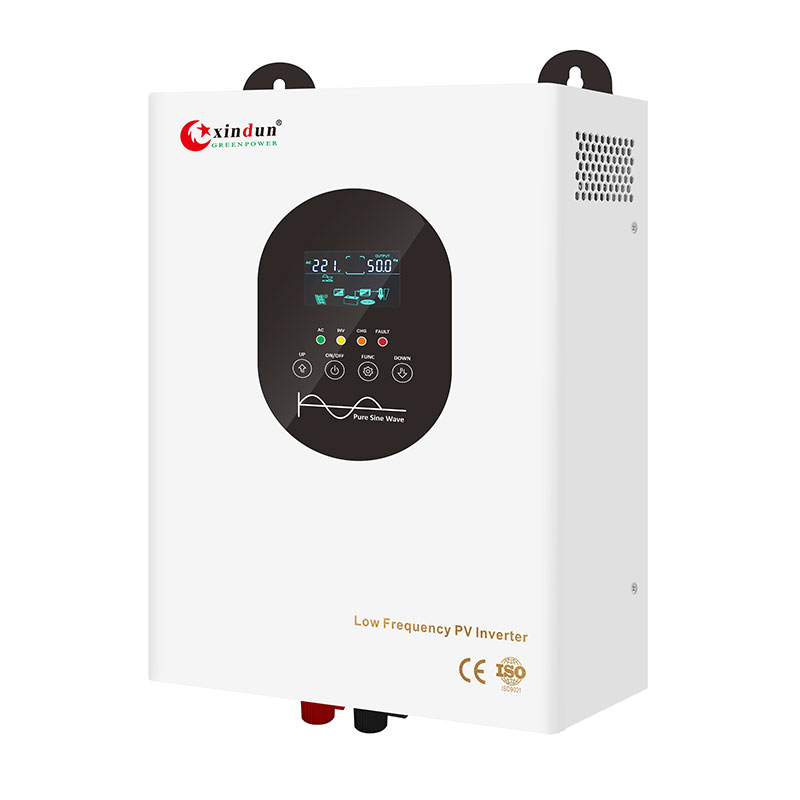
 Hybrid Inverter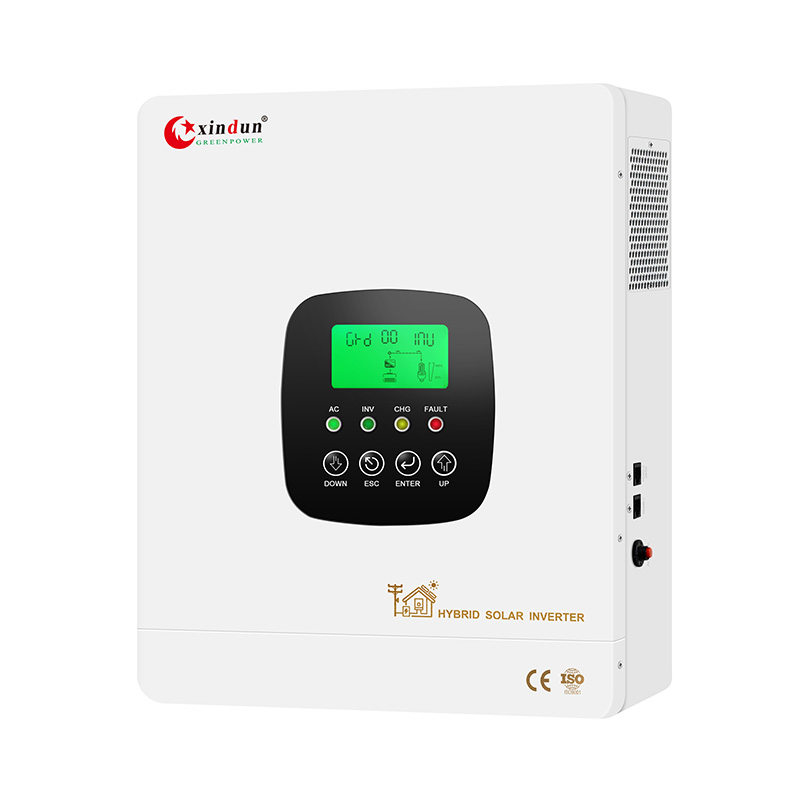
 Power Inverter
 Split Phase Inverter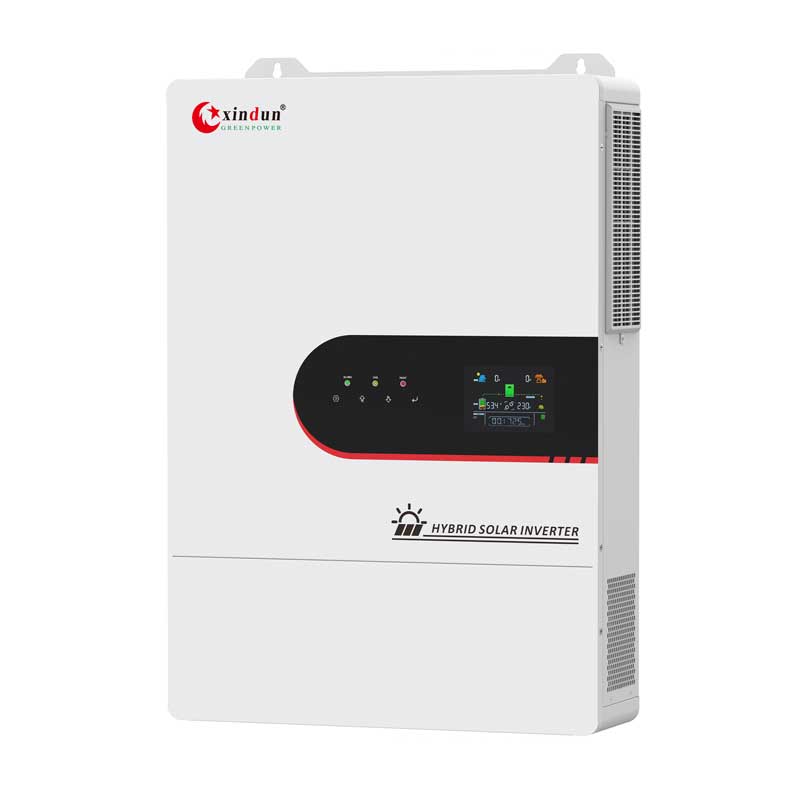
 Energy Storage Inverter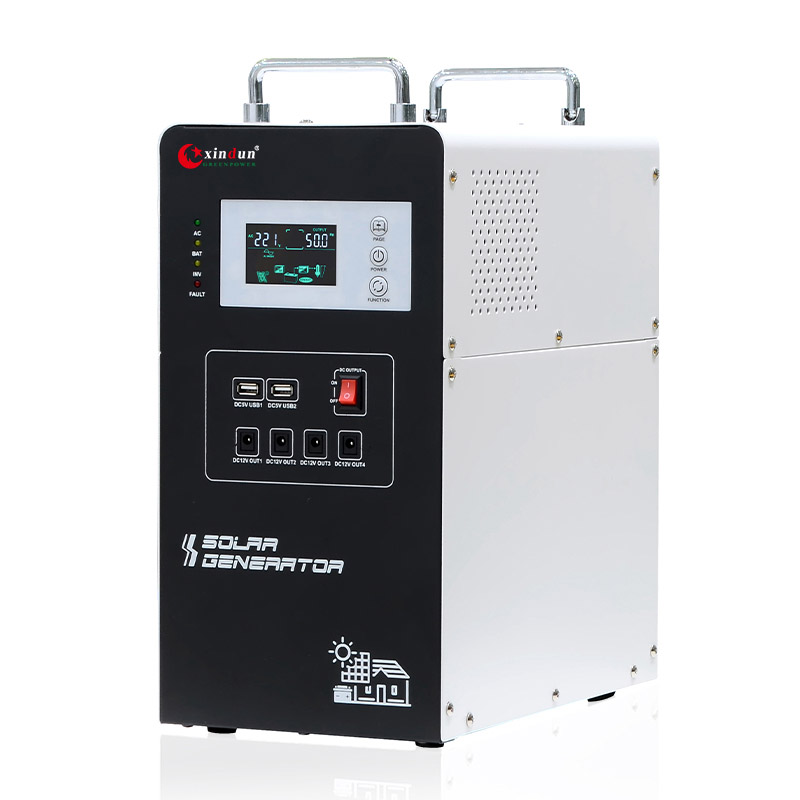

 3 Phase Inverter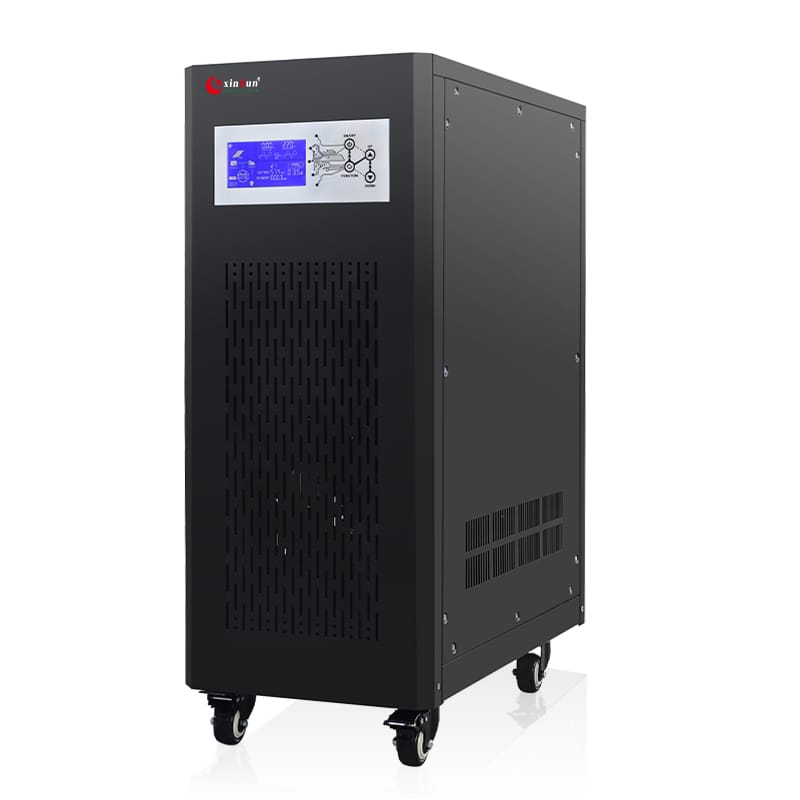
 Solar System Kits
 Solar Charge Controller

 Solar Battery
 Asia
Asia
 Africa
 South America
 Europe
 North America
 Oceania & Antarctica


 Inquire
 Home
HomeWhy Do Customers Prefer Low Frequency Inverters?
 Jun 03,2026

 XINDUN
Many customers look at specifications first when choosing a solar inverter. High frequency inverters are more efficient, lighter, and have lower energy loss — so they should be more popular.Yet in real-world applications, many customers still choose low frequency inverters.Even though they are heavier, slightly less efficient, and have higher losses, low frequency inverters remain the preferred choice for many users, especially in industrial, commercial, and high-power applications.
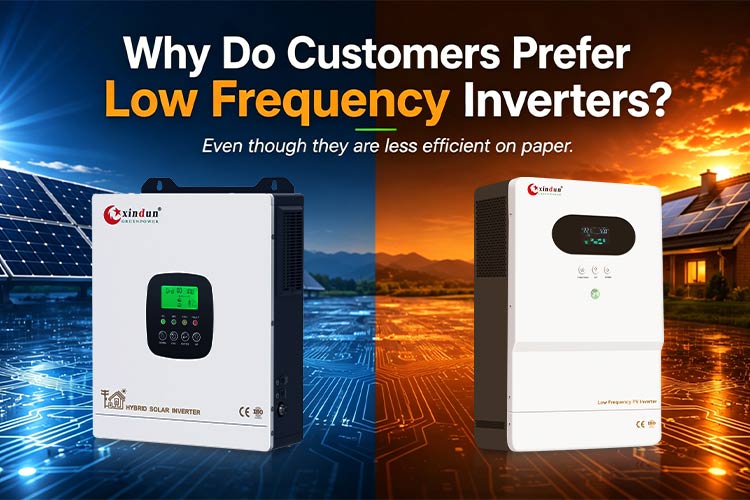
This is not because customers don't understand the specifications. It's because they prioritize real-world performance. What they really need is an inverter that can handle loads without tripping, lasts a long time, has few failures, and never leaves them without power. Low frequency inverters deliver exactly these benefits: durable, reliable, and strong load capacity. These advantages directly address the pain points that matter most to users. That's why, even though low frequency inverters are less efficient on paper, they are still the first choice for many customers.
Inverter efficiency is just one reference index. Durability, load capacity, and long-term stability are the irreplaceable values of low frequency inverters.
Low frequency inverters use a coil transformer design. This is the fundamental difference between low frequency and high frequency inverters, and it’s also the unique advantage of low frequency inverters.
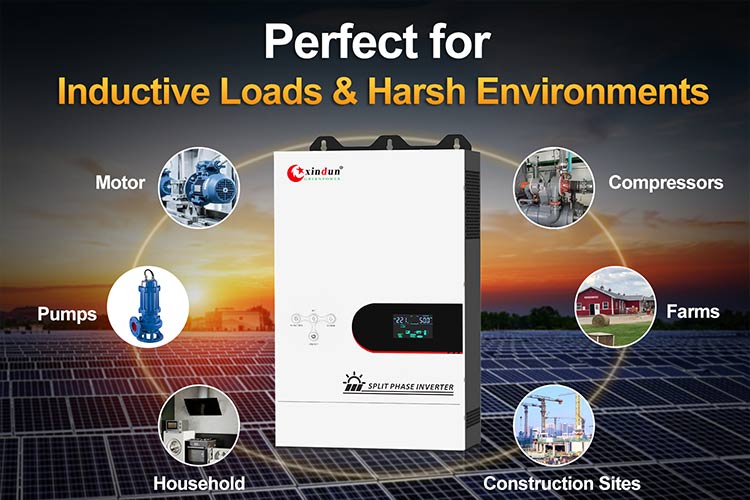
Appliances like air conditioners, farm water pumps, construction site motors, and commercial compressors are all inductive loads. Their startup current is about three times higher than normal. Low frequency inverters can handle these inductive loads stably.
Low frequency inverters have strong surge and overload capacity. They can smoothly handle the startup current of high-power inductive loads — no tripping, no shutdown. They are the ideal solution for industrial equipment, farm pumps, commercial AC units, and similar applications. In contrast, high frequency inverters rely on precise electronic components. Under the same power rating, they are more likely to trigger overload protection, shut down, or even get damaged.
Low failure rate is another key consideration for customers. Low frequency inverters have a simple design with solid core components. They don't have the complex circuits and sensitive electronic parts found in high frequency inverters. They offer excellent anti-interference capability and can withstand extreme temperatures and harsh environments. Even in remote areas, outdoor construction sites, farms, or other challenging conditions, they continue to run reliably. A low failure rate means lower maintenance costs and greater peace of mind for users.
Low frequency inverters also have a longer service life. High frequency inverters are limited by the lifespan of their electronic components — typically 3 to 5 years before they need replacement. Low frequency inverters, with their coil transformer design, can easily last 10 years with proper maintenance. One investment, long-term benefit — lower total cost of ownership.
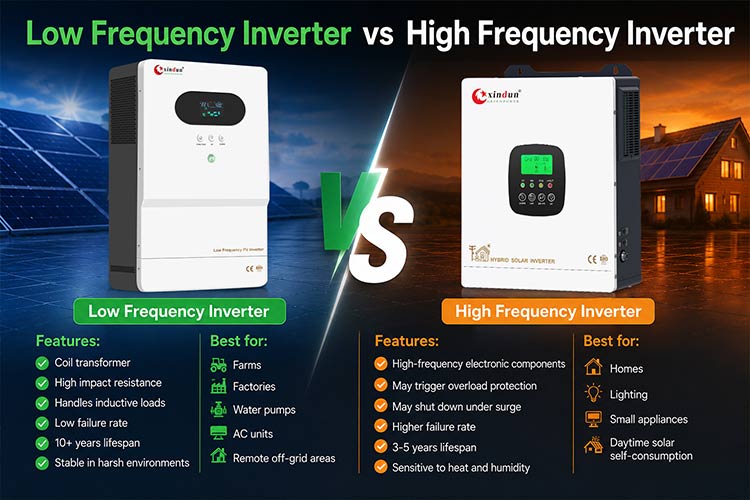
Most inverters are installed in fixed locations and rarely moved. So even though low frequency inverters are heavier, this does not affect normal use. And while they have slightly higher energy loss than high frequency inverters, the trade-off is reliable, stable, uninterrupted power — no tripping, no failures, and a service life of over a decade. These are the benefits that customers truly value. Reliability is far more important than efficiency.
Whether for resistive loads (like lights and heaters), inductive loads (like motors and pumps), or mixed loads, low frequency inverters handle them all with ease. No load restrictions, no equipment limitations — they work across a wide range of applications.
Many customers choose low frequency inverters not because they ignore efficiency, but because they prioritize real-world performance: durable, strong load capacity, low failure rate, and long service life. These are the core advantages of low frequency inverters.
Xindun Low Frequency Inverter Recommendations
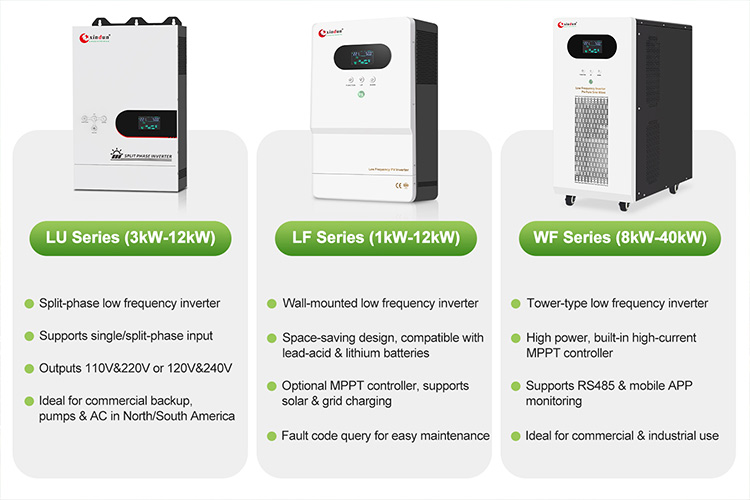
Xindun offers several low frequency inverter series, including LU, LF, WF, ESS, ESS-Li, and HDSX. Each series has different specifications and design features to meet various application needs.
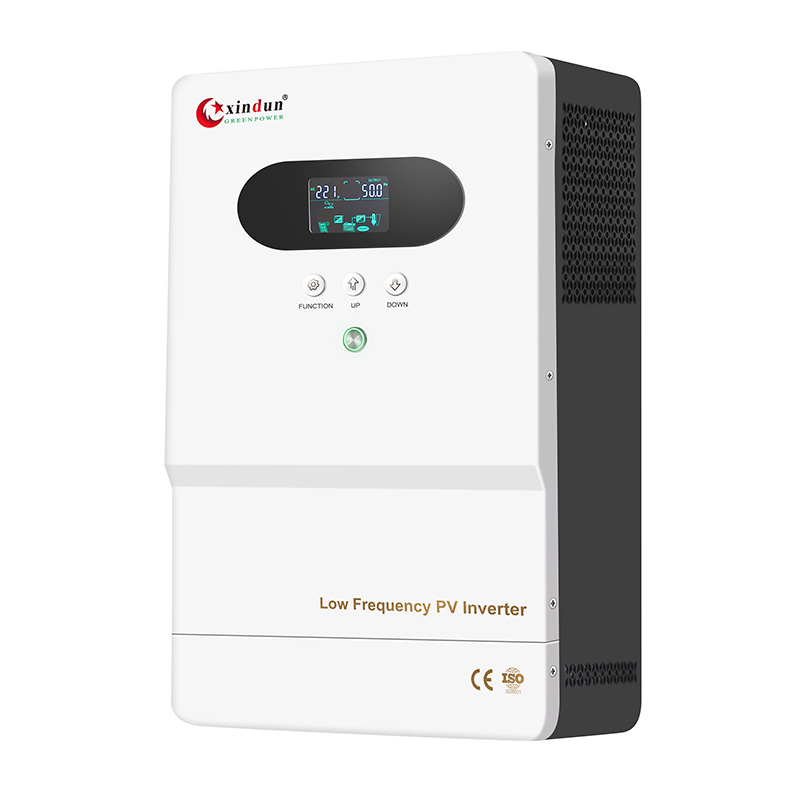
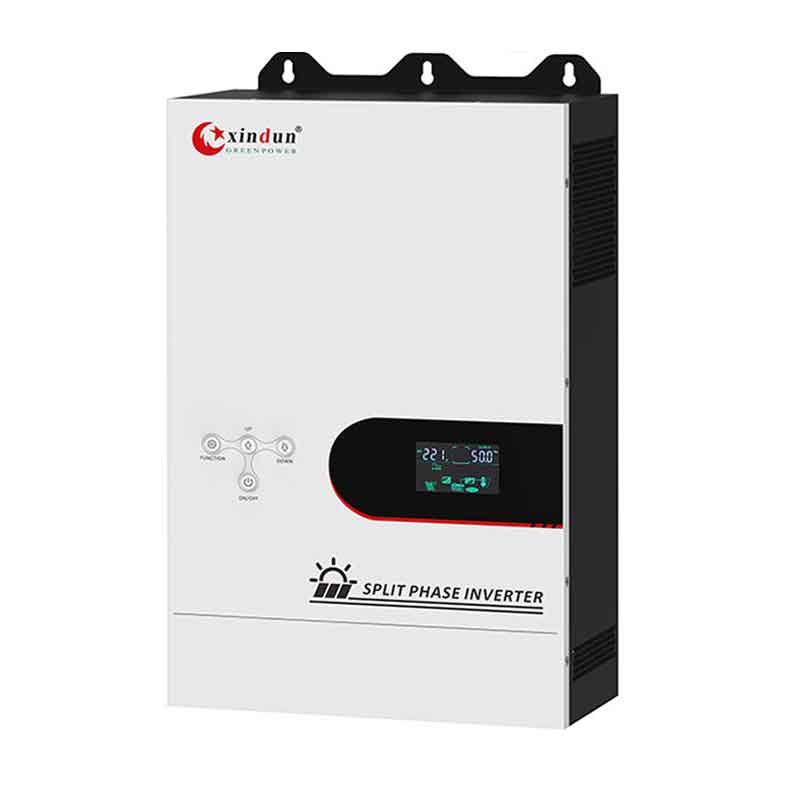
LU Series (3kW-12kW): A split-phase inverter. It supports single-phase or split-phase input from the grid, and delivers split-phase output at 110V&220V or 120V&240V.
Xindun low frequency inverters come in a variety of power ratings. For example:
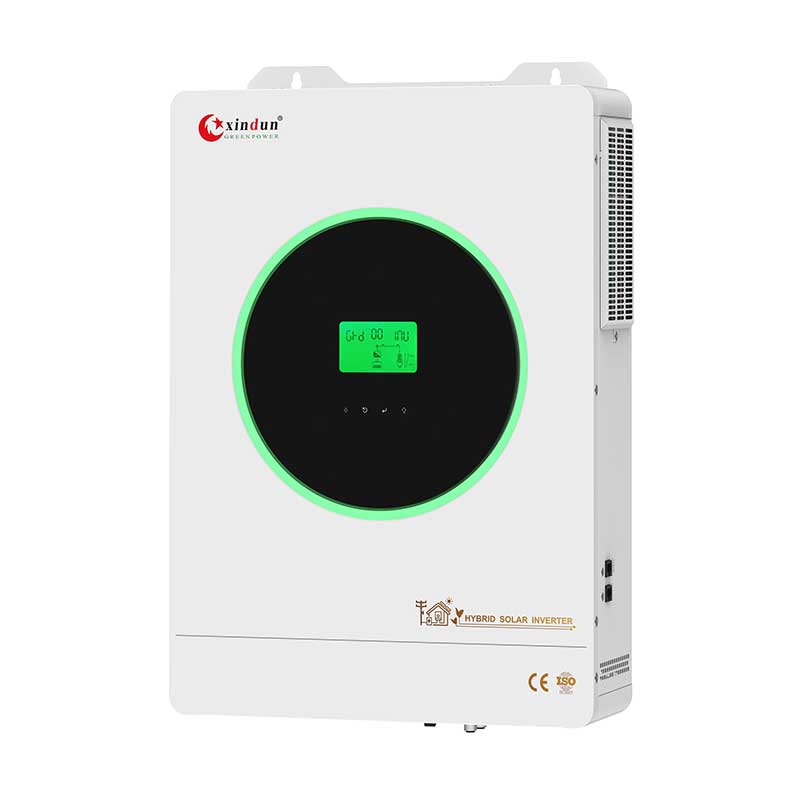
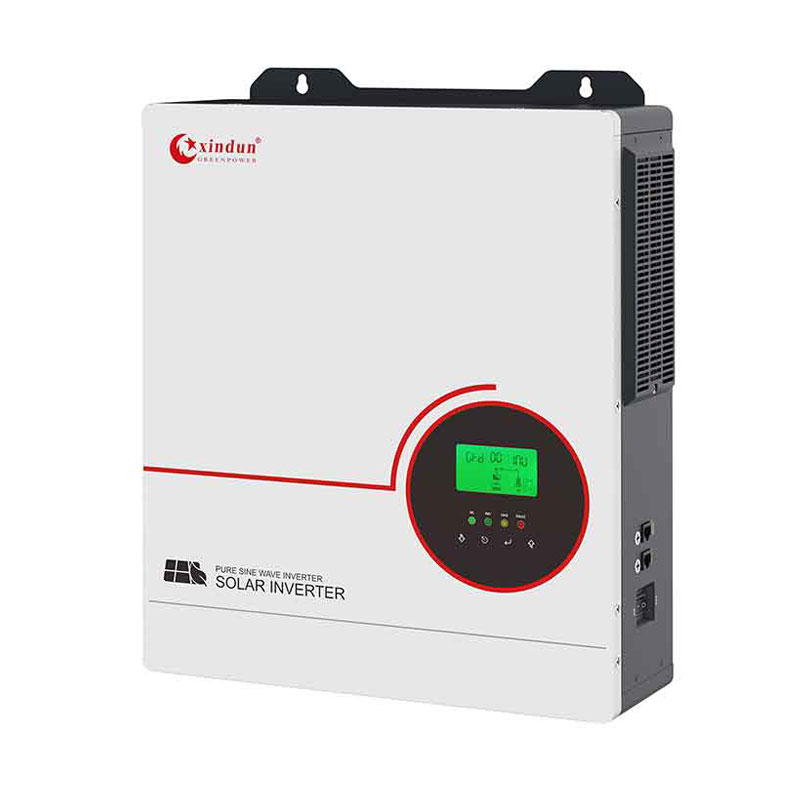
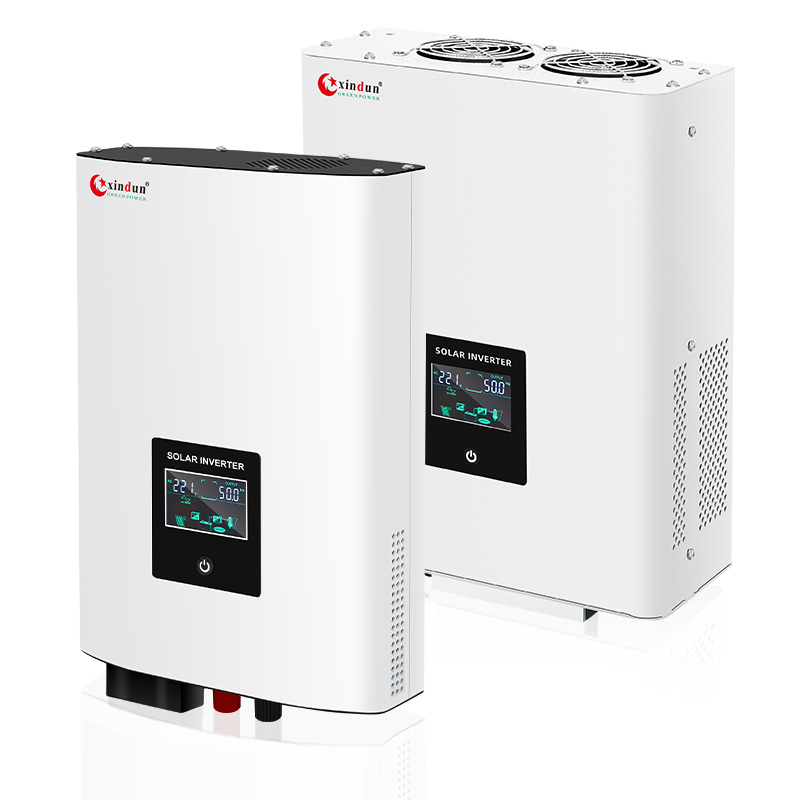
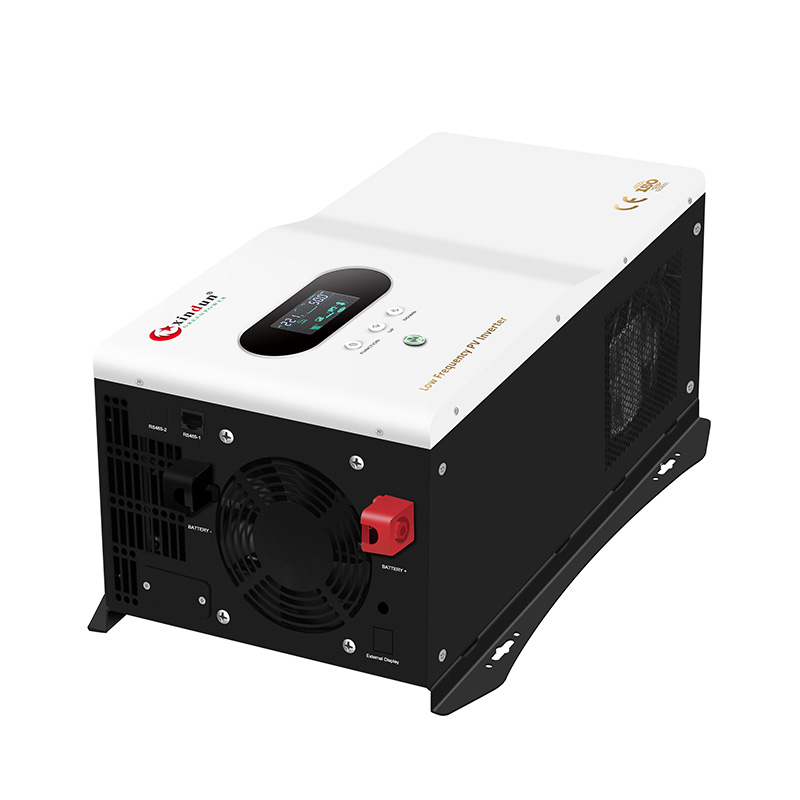
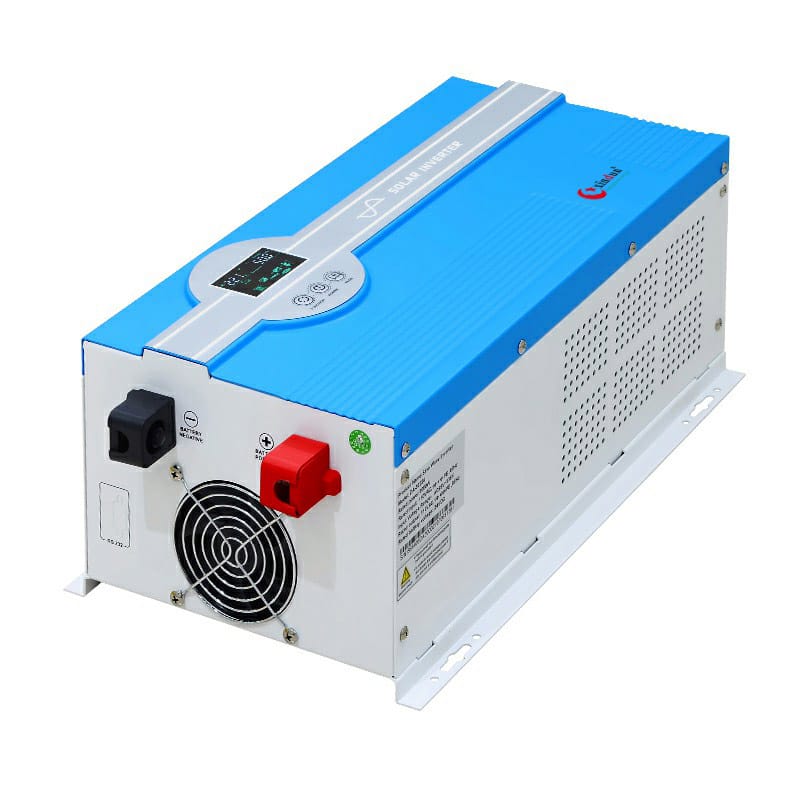
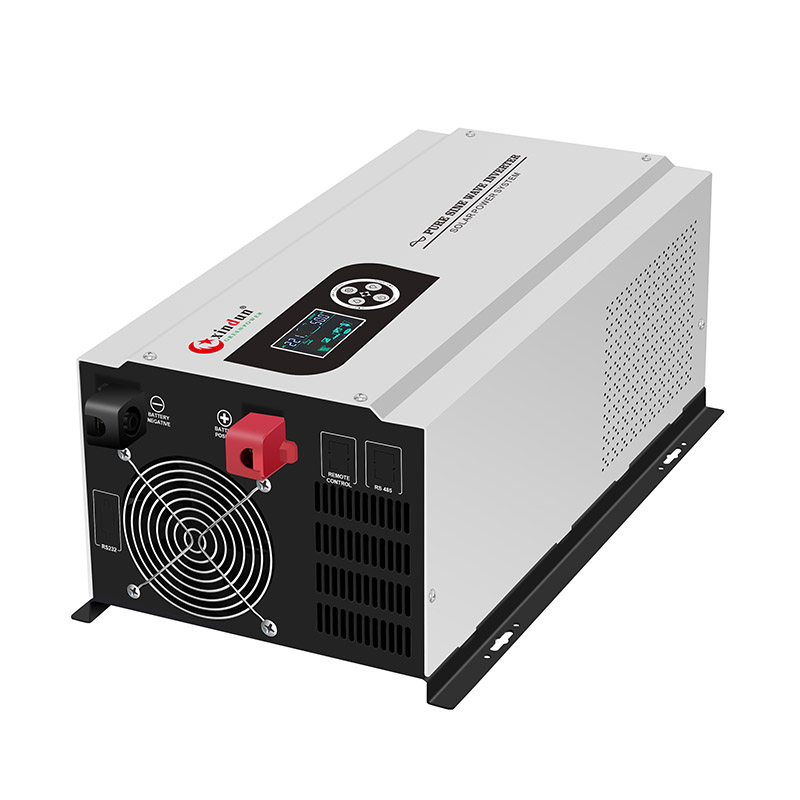
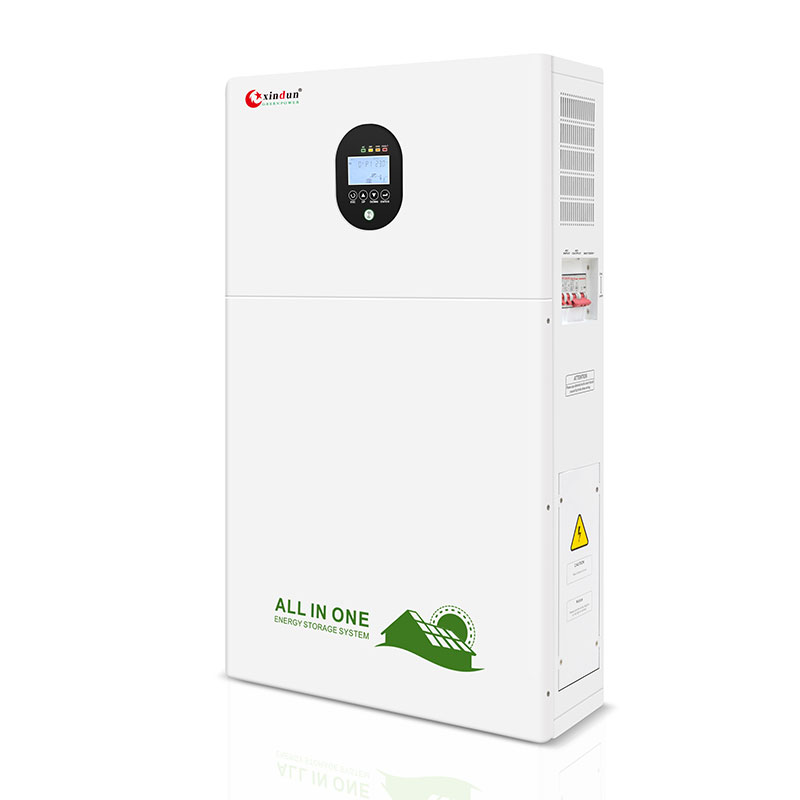
Wall-mounted LF Series (1kW-12kW) : Suitable for small homes or light industrial use.
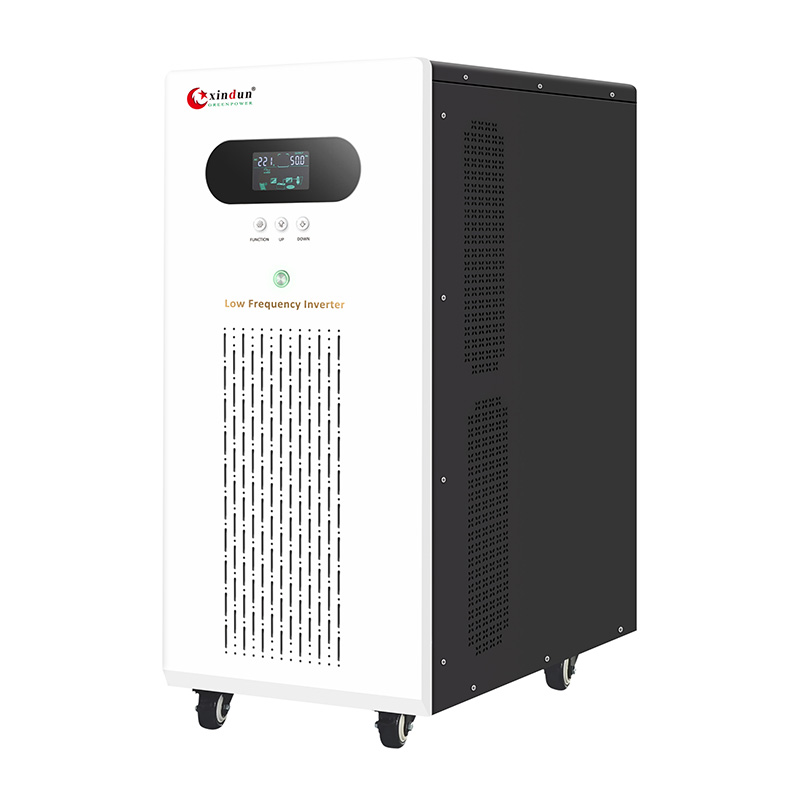
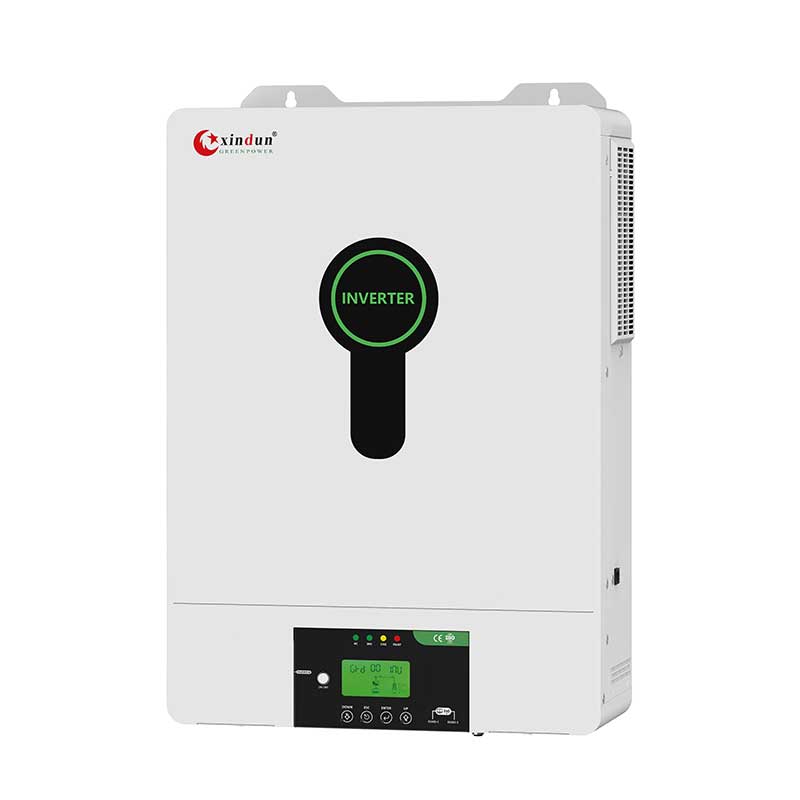
Tower-type WF Series (8kW-40kW) : Designed for commercial and industrial applications with high power demands.
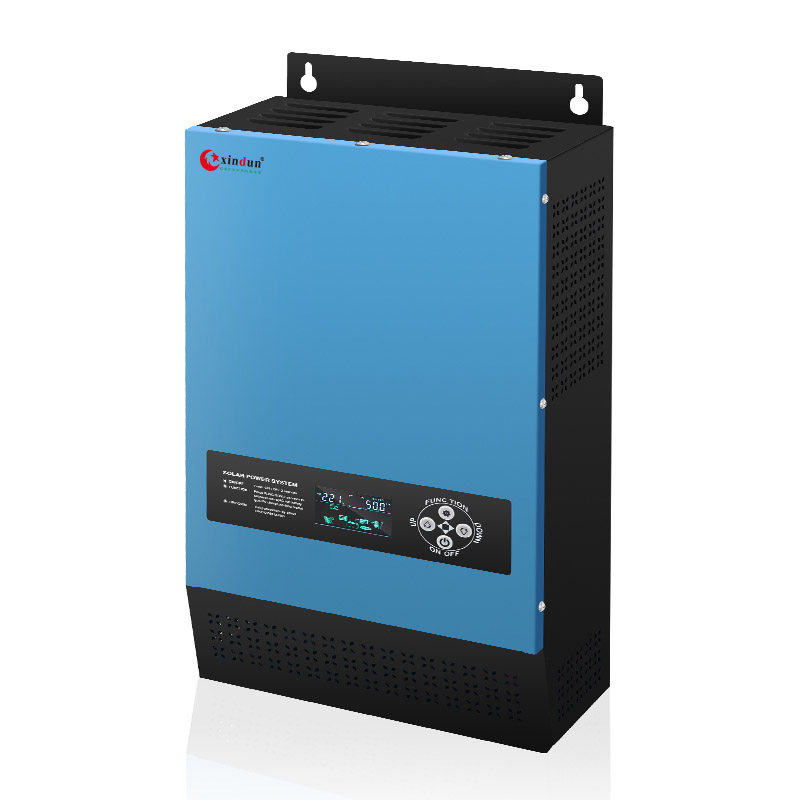
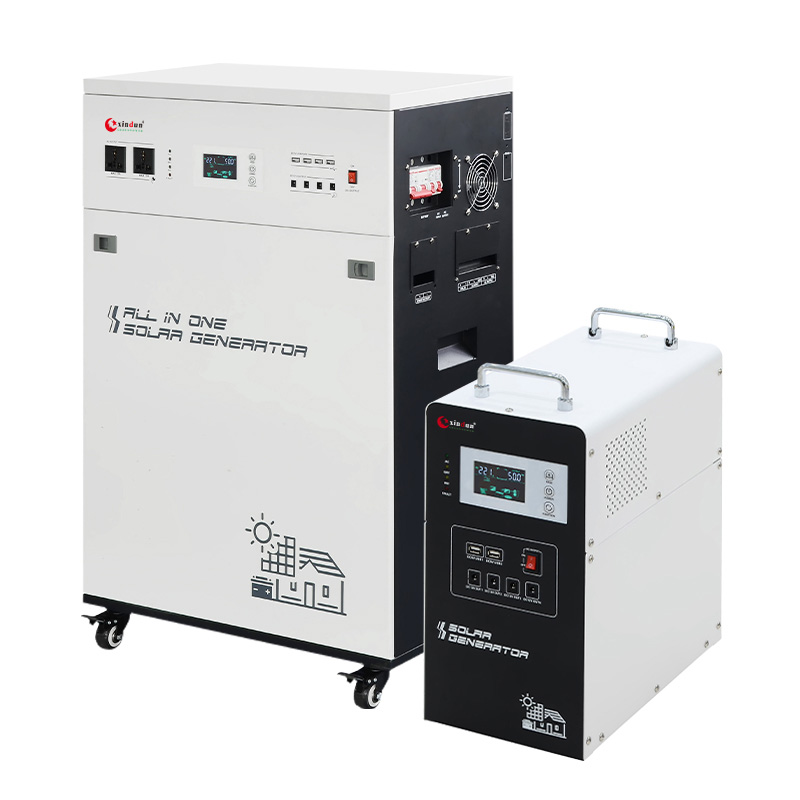
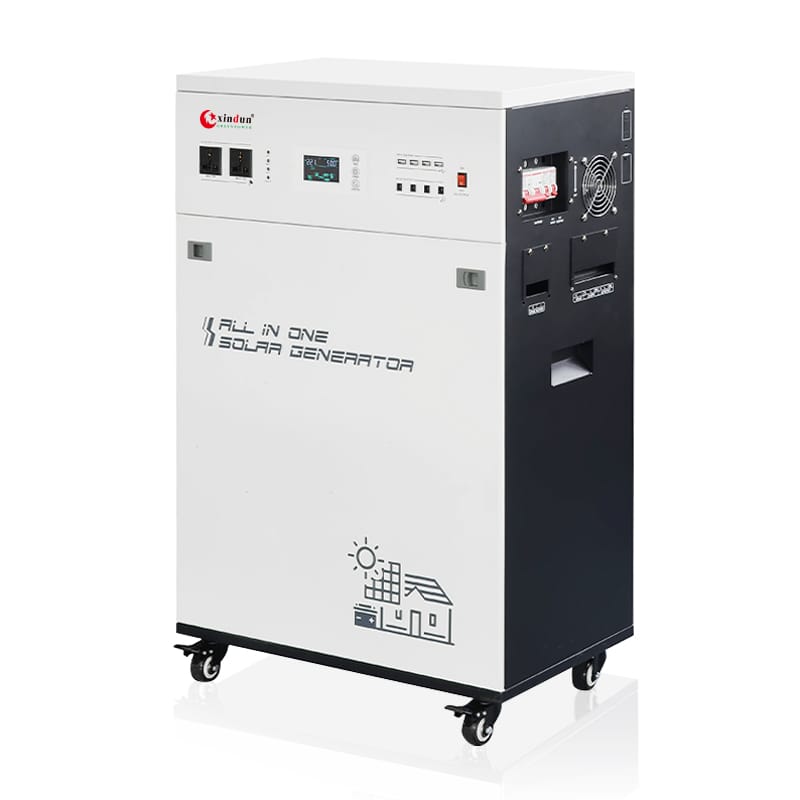
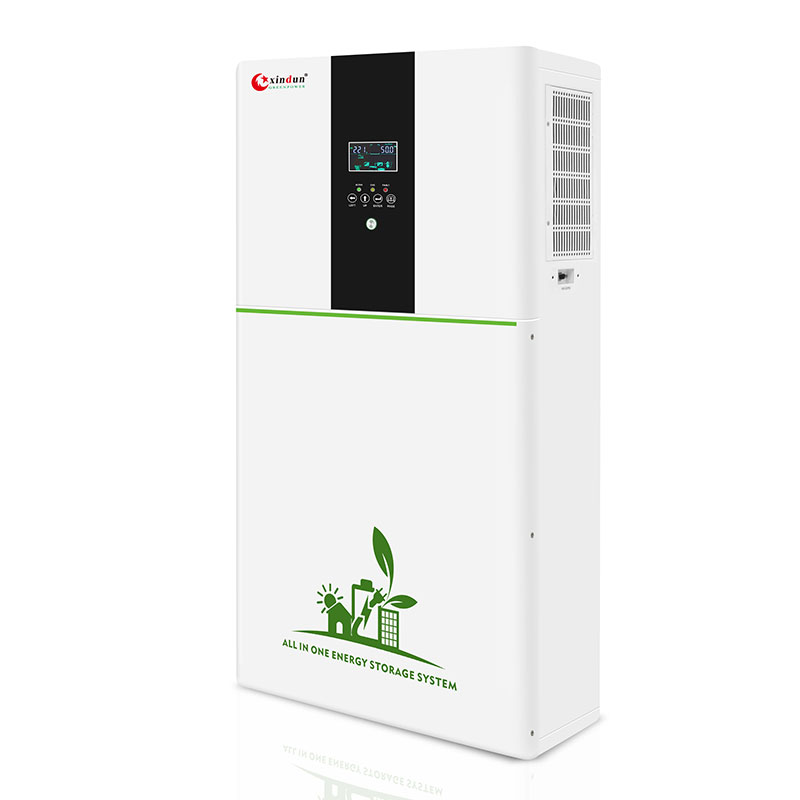
The ESS Series (500W-7kW) and ESS-LI Series (300W-10kW) are all-in-one energy storage systems. They contain lead-acid and lithium batteries respectively. Both are low frequency inverters with pure sine wave output. They feature multiple output ports: DC 5V (USB), DC 12V round connector, and AC outlets. They are plug-and-play ready. They support three charging sources: solar, grid, and diesel generator. Suitable for homes, small to medium commercial spaces, outdoor power needs, and emergency backup power.
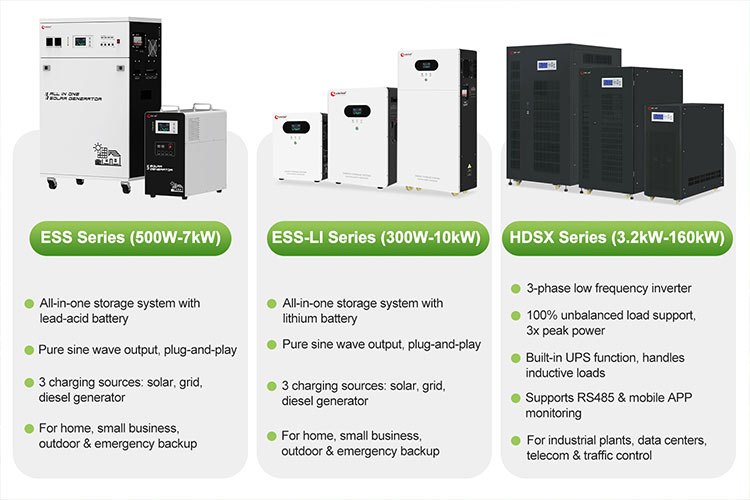
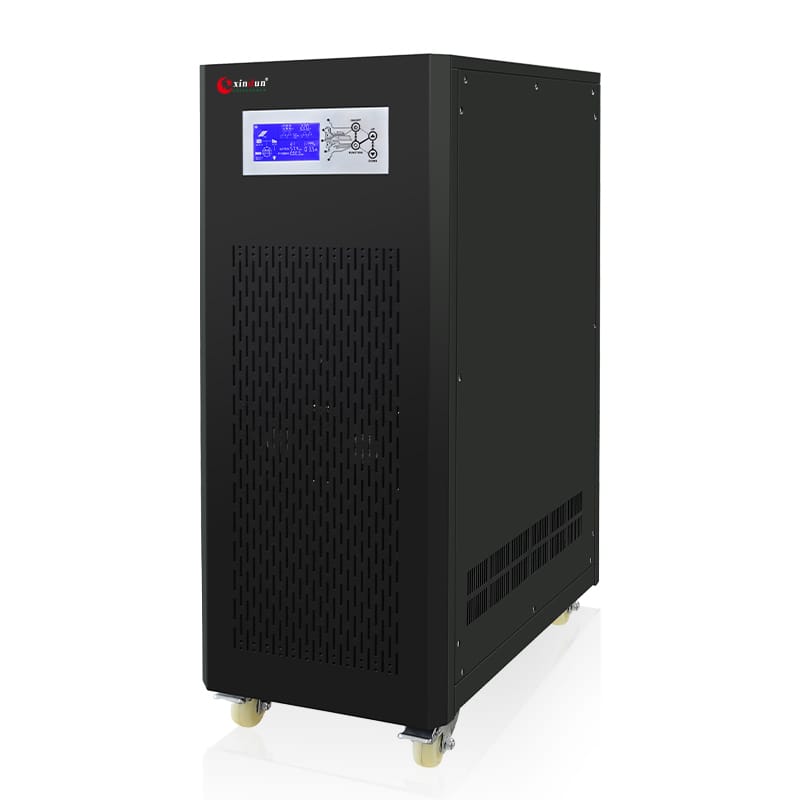
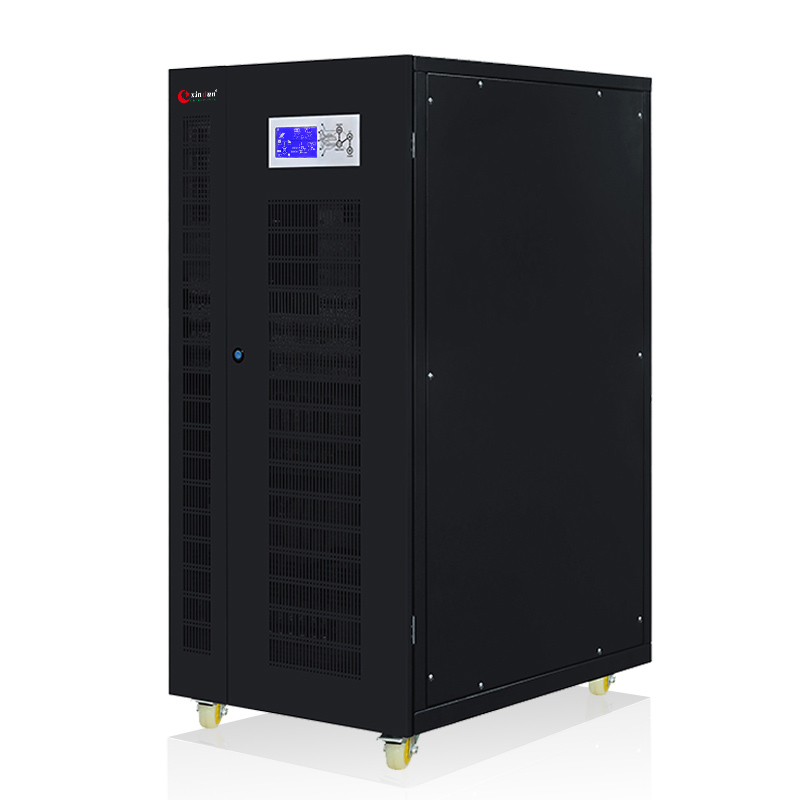
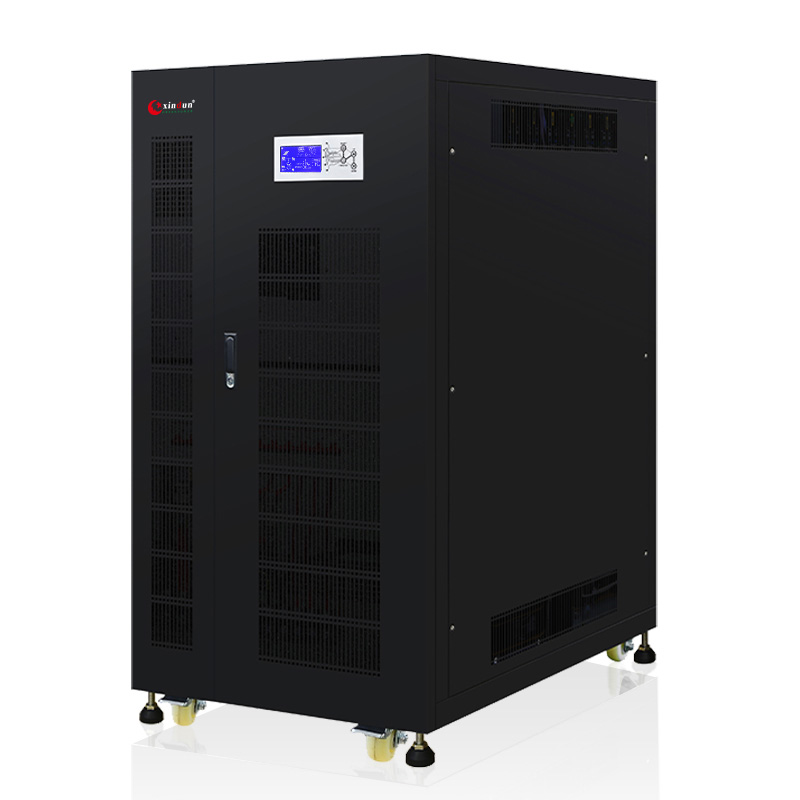
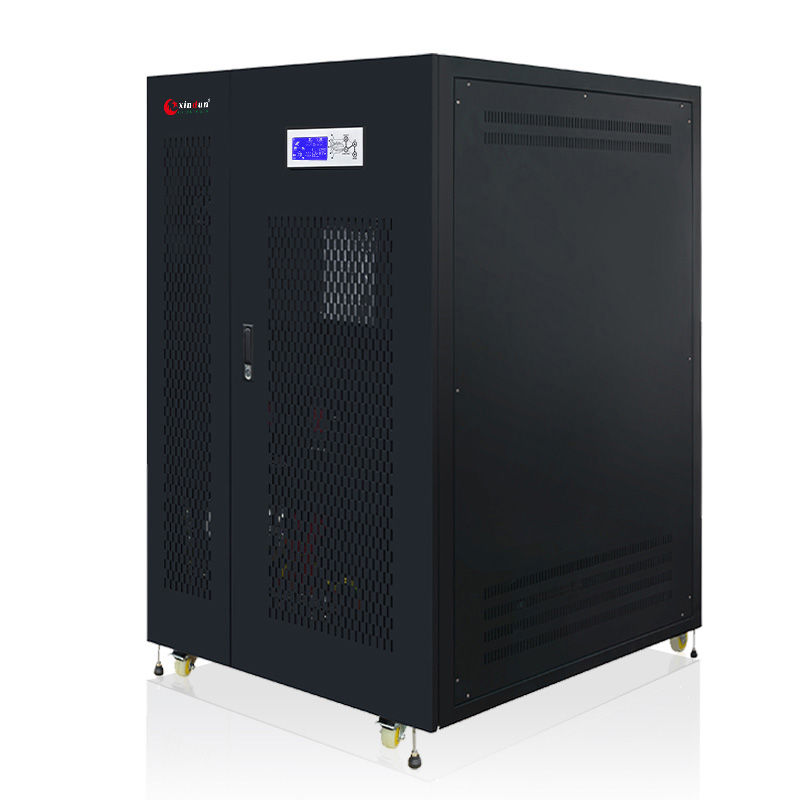
The HDSX Series (3.2kW-160kW) is a three-phase inverter. It supports unbalanced three-phase loads and includes UPS functionality. Designed for high-power, heavy-load industrial applications, it delivers excellent conversion efficiency and stable output performance. Ideal for industrial and commercial use, especially for large equipment that demands continuous, reliable power.
For more information about Xindun low frequency inverters, please leave your details in the customer service window at the bottom of our website. Xindun will contact you as soon as possible during working hours.
 Low vs High Voltage Batteries for Solar Inverters | Xindun Power
 Top Selling Products













 WeChat
 Email
Email WhatsApp