
 Solar Inverter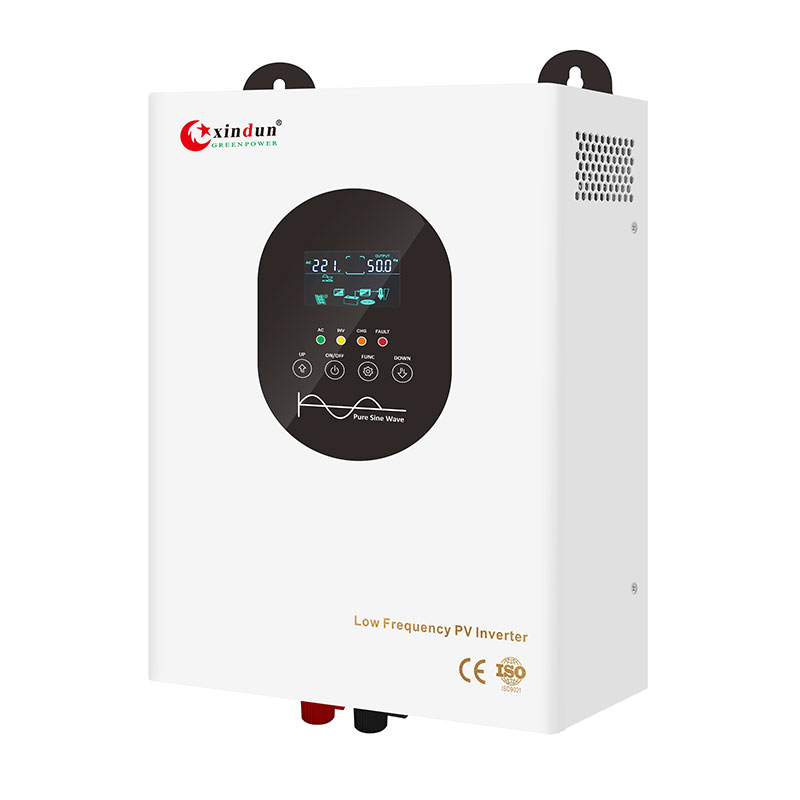
 Hybrid Inverter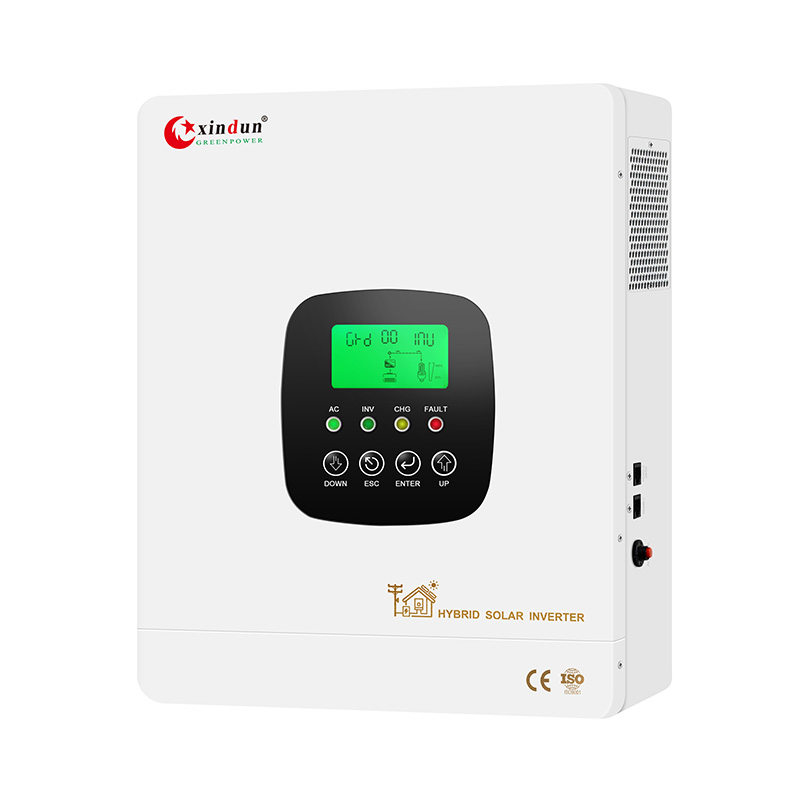
 Power Inverter
 Split Phase Inverter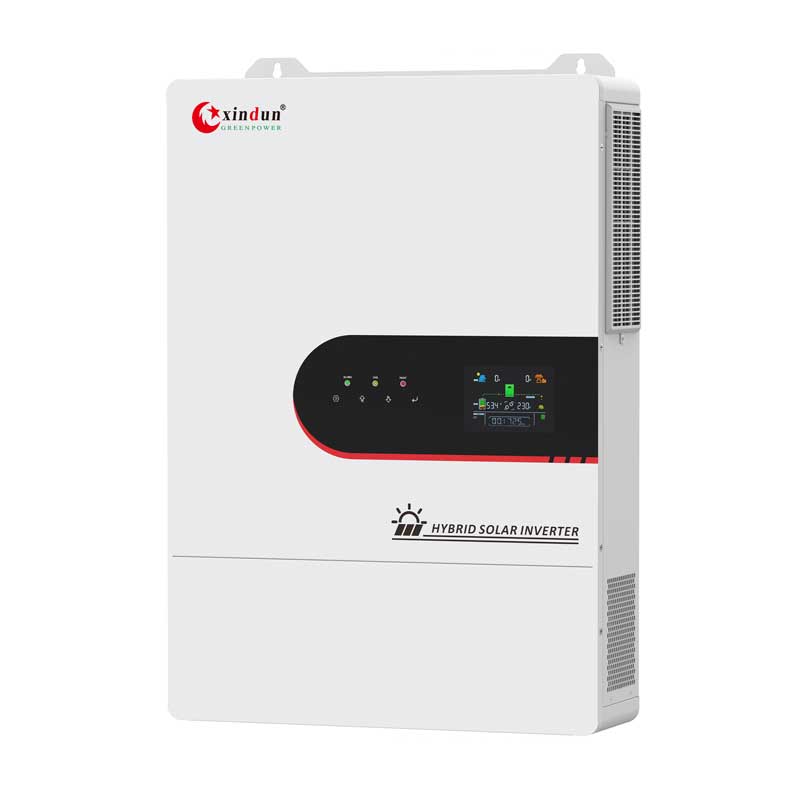
 Energy Storage Inverter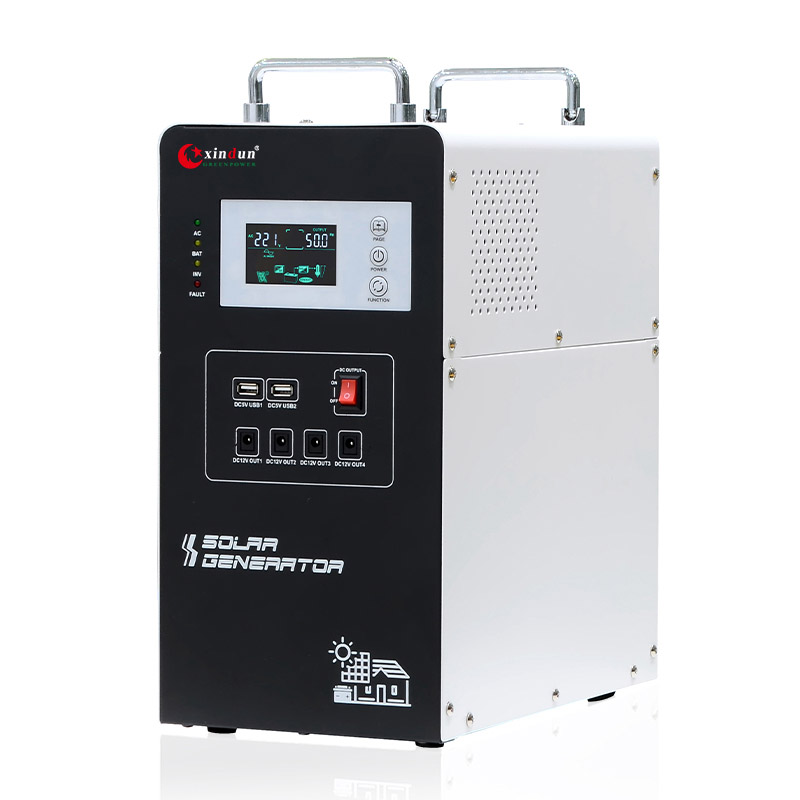

 3 Phase Inverter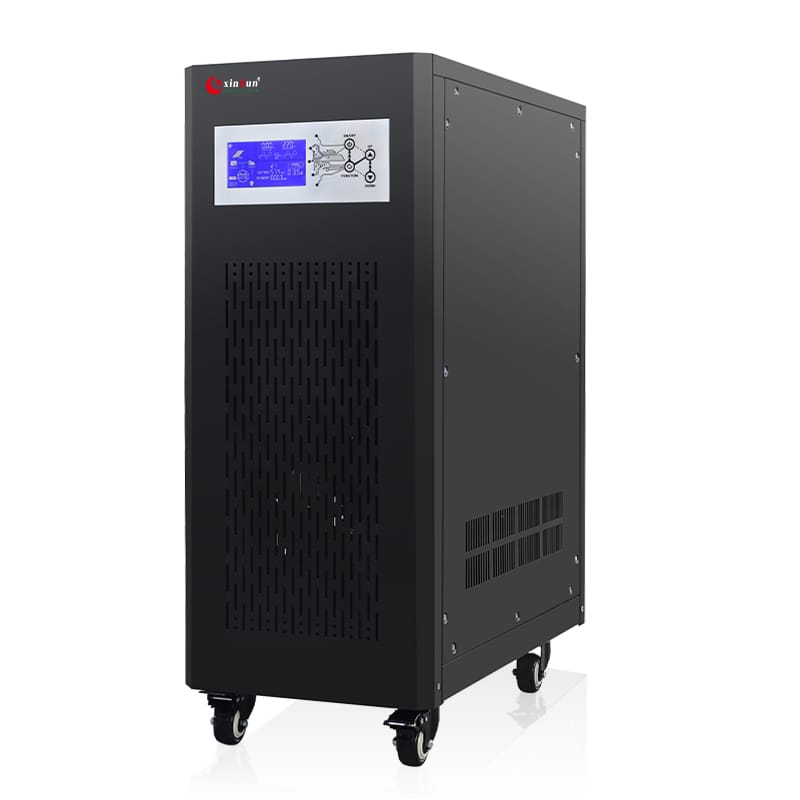
 Solar System Kits
 Solar Charge Controller

 Solar Battery
 Asia
Asia
 Africa
 South America
 Europe
 North America
 Oceania & Antarctica


 Inquire

 Home
HomeHow Can Solar Energy Inverter Transform Venezuela Market?
 Oct 13,2025

 XINDUN
Venezuela, a major country in northern South America, boasts the world's largest proven oil reserves. However, its economic development and US sanctions have long hindered its domestic economy, resulting in a fragmented structure and severely constraining the development of other industries. Particularly in the energy sector, despite its abundant natural resources, problems such as aging power infrastructure and poor management persist, making it difficult for electricity supply to meet social needs.
Against this backdrop, solar energy, as a sustainable and environmentally friendly form of energy, can not only alleviate the country's power shortage but also provide stable power to remote areas. In this context, selecting solar energy inverter tailored to local needs is crucial. These devices convert direct current (DC) electricity generated by solar panels into AC power suitable for domestic and industrial use. They are efficient, stable, and durable, making them key to Venezuela's energy transition. So, what is the current state of Venezuela's solar market? What factors should be considered when selecting a solar inverter? What inverters are recommended? Below, Xindun will provide a detailed introduction.
I. Venezuela's Power Structure
In 2024, Venezuela's total electricity generation is expected to be approximately 117 billion kilowatt-hours (117,000 GWh). However, due to transmission losses of 30%, the highest in Latin America, the actual available electricity generation is only 81.9 billion kilowatt-hours, resulting in a power shortage of 1,600 megawatts, or approximately 11% of total demand. Hydropower is Venezuela's primary energy source, accounting for approximately 64% of electricity generation. Oil and gas-fired power generation together account for 35%. Oil-fired power generation will increase from 12% in 2023 to 19% in 2024, while gas fired power generation will account for 17%. However, due to aging natural gas pipelines and import sanctions, the actual available capacity is only 60% of installed capacity. Solar and wind power combined account for only 0.2%, with actual electricity generation less than 200 million kilowatt hours. Among renewable energy sources, solar power generation holds enormous potential. Although its current share in Venezuela's power mix is negligible, the country's abundant sunlight resources provide a solid foundation for future development. Especially in remote areas, solar power generation can effectively address the problem of insufficient grid coverage while reducing reliance on oil and gas fired power generation. Solar power generation not only helps alleviate the current power shortage, but also creates more jobs for the local area and promotes economic diversification.
II. What are electricity prices like in Venezuela?
According to official data from Venezuela's national electric power company (CORPOELEC) in February 2025, residential electricity prices remained at $0.046/kWh (approximately RMB 0.33), and commercial electricity prices at $0.053/kWh (approximately RMB 0.38). These prices have not been systematically adjusted since 2024 and remain among the lowest in the world.
The Venezuelan government has administratively frozen electricity prices in an attempt to alleviate pressure on the people, but these "low prices on paper" are significantly out of line with actual market costs.
Despite the unchanged official prices, actual electricity bills generally increased in early 2025. For example, a household in Caracas' electricity bill was 463 bolivars (approximately US$10) in October 2024, but by January 2025, it had soared to 1,459 bolivars (approximately US$30), a 215% increase. This phenomenon is primarily due to the government's gradual reduction of electricity subsidies, which fell from 0.5% to 0.3% of GDP by 2025, and the fact that high income groups now pay the full cost of electricity. Furthermore, electricity pricing has changed: the Venezuelan National Electricity Company (ELEV) now bills electricity based on actual consumption rather than estimated usage. Some customers are also facing hefty late payment fees due to historical arrears. Regarding the exchange rate, the bolivar depreciated by 47% against the US dollar by 2025, reducing the actual purchasing power of electricity prices denominated in local currency.
Because ELEV lacks independent oversight, electricity price adjustments are often implemented through administrative decrees rather than transparent mechanisms. For example, in March 2025, the state of Mérida suddenly raised the nighttime electricity price to $0.12/kWh without prior notice, sparking widespread protests.
According to data from the World Bank and the International Monetary Fund, Venezuela's population will be approximately 28.4359 million in 2024, ranking fifth in South America. This continued population growth provides a solid foundation for electricity consumption and the inverter market. With accelerating urbanization, gradually improving living standards, and the development of small and medium-sized industries, electricity demand continues to rise. With a per capita GDP of approximately US$45.11 million in 2024, placing it at the level of lower middle income countries, consumers are prioritizing product value and durability. Solar energy inverters with high cost effectiveness, low power consumption, and low maintenance costs are highly sought after. Households tend to install off grid system under 3kw for basic loads such as lighting, refrigerators, televisions, and internet equipment. Small and medium-sized businesses and shops are more interested in hybrid solar inverter system between 5kw and 10kw to ensure continued operation and production during utility power outages. Economic pressures such as rising electricity prices, reduced subsidies, and currency devaluation are driving users to reduce long term electricity costs through solar plus-inverter systems. More and more households and businesses, based on local electricity needs and budgets, are choosing to install solar energy inverter to reduce grid dependence and achieve a long term return on investment.
III.Is Venezuela's electricity supply stable?
Venezuela's electricity supply is unstable. According to a recent poll conducted by a Venezuelan consulting firm, 72% of respondents believe the country's power system is fragile and unstable. Power outages are frequent in states such as Mérida, Zulia, Nueva Esparta, Falcon, Lara, and Trujillo, with some areas experiencing daily outages lasting up to 15 hours. In January 2025, the number of power outages reached 54,000 in a single month, 68% of which occurred during daytime hours.
According to data from the Venezuelan National Electricity Company (CORPOELEC), national electricity demand is approximately 14,000 megawatts, but during peak hours, the power shortage reaches 1,600 megawatts, effectively shutting off power to the Andean region (including states such as Táchira and Mérida). This power shortage is caused by insufficient power generation capacity and excessive transmission losses. Venezuela's power grid is aging and poorly maintained, with some aging lines experiencing losses exceeding 30%. Its transmission and distribution losses are among the highest in Latin America. In contrast, off grid solar system, which do not require grid connection, are easier to deploy. By 2024, over 2,000 households had already received electricity through off grid solar projects.
Venezuela's power instability has had a significant impact on people's livelihoods and the economy. During periods of large scale power outages, social unrest has intensified. From January to March 2025, there were 47 large scale demonstrations across Venezuela, and crime rates increased during power outages.
In the industrial sector, power outages have caused capacity utilization to fall below 30%, costing the manufacturing industry approximately $1.2 billion per month. Chronic power instability has forced most Venezuelan households to rely on diesel generators, costing an average of $150-200 per month, which accounts for 60-80% of low-income households' income.
Venezuela's power crisis is the result of a structural and systemic breakdown, and it is unlikely to improve in the short term. Households and businesses need to adopt self help measures such as off grid solar power generation and diesel generators. Off grid solar power system, as a sustainable green energy source, can effectively reduce dependence on traditional power grids. Given Venezuela's current weak power infrastructure, off grid system demonstrate significant practical value.
These systems convert sunlight into electricity through solar panels and store this energy in efficient energy storage devices, providing stable power to homes and businesses. When selecting equipment for an off grid solar power system, the inverter is a core component, and its performance directly impacts the efficiency and stability of the entire system. Therefore, using high quality inverter is recommended to ensure efficient and safe energy conversion and extend the life of the equipment.
IV. What is the Prospect for Solar Energy Development in Venezuela?
Located north of the equator, Venezuela enjoys abundant sunshine year round, with an average solar irradiance of 5.35 kWh/m2/day, among the highest in South America. This provides unique natural conditions for solar power generation. With growing global demand for renewable energy and the continued instability of Venezuela's traditional power system, the solar industry has enormous potential for development in the country.
Venezuela has set a target of installing 2,000 MW of new solar capacity between 2023 and 2025, and has introduced incentives such as tax incentives and a feed in subsidy of US$0.173/kWh for surplus power. It plans to launch a further 3,000 MW of solar capacity by 2025 and promote 20,000 solar powered pumping systems in remote areas. However, policy implementation is hampered by bureaucratic inefficiency and funding shortages. By the end of 2024, Venezuela's installed solar capacity remained below 10 MW, far below expectations.
Frequent power outages have forced households and small and medium sized enterprises to seek alternatives. For example, residents of Zulia state spontaneously formed the "Zulia Solar" organization, calling on the government to import large scale Chinese modules and provide soft loans to promote widespread rooftop PV. Similarly, the El Anis Plain project in Mérida state uses 850 panels to power 17 households and a school, significantly improving local quality of life.
Regarding solar policies, the Renewable Energy Law, which came into effect in October 2024, reduces the import tariff on off grid inverter from 22% to 8% and provides a 15% subsidy to buyers. Households purchasing off grid solar system can enjoy a 15% subsidy (a direct deduction from the cost), and the tariff on imported modules has been reduced from 22% to 8%, effectively reducing costs by approximately 20%-25%.
The implementation of these policies has injected new vitality into the solar industry, attracting more investors and businesses. However, despite these policy supports, Venezuela's solar market still faces multiple challenges. For example, aging power infrastructure makes grid connection difficult, and some areas lack even basic transmission networks. An International Energy Agency report indicates that Venezuela's solar energy potential, if fully utilized, could meet over 60% of the country's electricity needs.
Achieving this goal requires not only increased government implementation but also in depth collaboration with international organizations and the private sector. For example, the World Bank and the United Nations Development Programme have proposed assisting Venezuela in establishing regional solar demonstration projects to validate the feasibility of large scale deployment. At the same time, increasing public awareness is also a key factor driving industry development. A growing number of environmental organizations and community groups are promoting the benefits of solar energy and raising funds through crowdfunding to purchase equipment and train technicians. These grassroots initiatives are addressing gaps in policy implementation and paving the way for widespread solar energy adoption in Venezuela.
V.What type of solar energy inverter is suitable for Venezuela?
Solar energy inverter can be categorized as off grid, on grid, and hybrid depending on their use case.
Off grid solar inverter
These are suitable for use in areas without grid coverage. They convert the DC power generated by solar panels directly into AC power for household appliances. These inverters are often equipped with batteries to store excess power for use at night or on cloudy days. Given Venezuela's power grid environment, off grid solar inverters are an ideal solution for addressing power shortages because they operate independently, relying on solar power and batteries. Off grid solar inverters are generally more durable and adaptable to changing weather conditions, which is particularly important in Venezuela's tropical climate.
On grid solar inverter
On grid solar inverters are suitable for areas with a stable grid connection. They can transmit electricity generated by solar power systems to the grid, helping users save on electricity bills through net metering policies. They can also sell excess electricity back to the grid. However, in Venezuela, the adoption of on grid solar inverter is significantly limited by the aging and instability of the grid infrastructure. On grid solar inverters are not connected to batteries and are suitable for daytime use only. They will not function properly at night or on cloudy days.
Hybrid solar inverter
Hybrid solar inverter combine the functionality of off grid and on grid inverter, allowing them to connect to the grid or operate independently. They can flexibly switch operating modes based on actual needs, making them ideal for countries like Venezuela, where power grids are complex. For example, when the grid is operating normally, hybrid solar inverter can switch to on grid mode, transferring excess power to the grid. In the event of a power outage or grid failure, it can switch to off grid or hybrid mode, utilizing battery stored power to continue providing power.
VI. Recommended Solar energy Inverter for Venezuela
Xindun HU Hybrid Solar Inverter
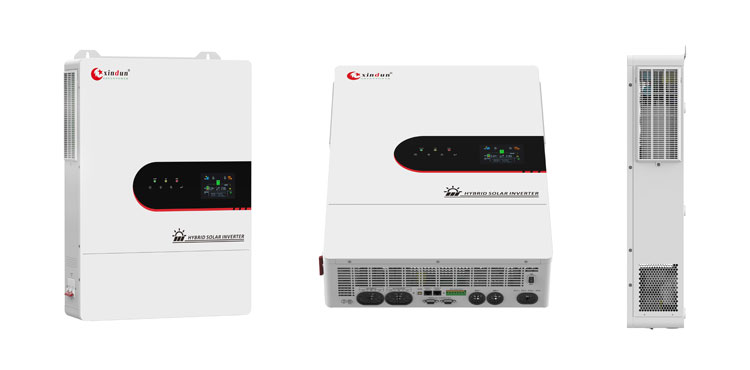
Xindun HU hybrid solar inverter, 10,000W/12000W, converts 48V DC to 100V/105V/110V/120V AC.
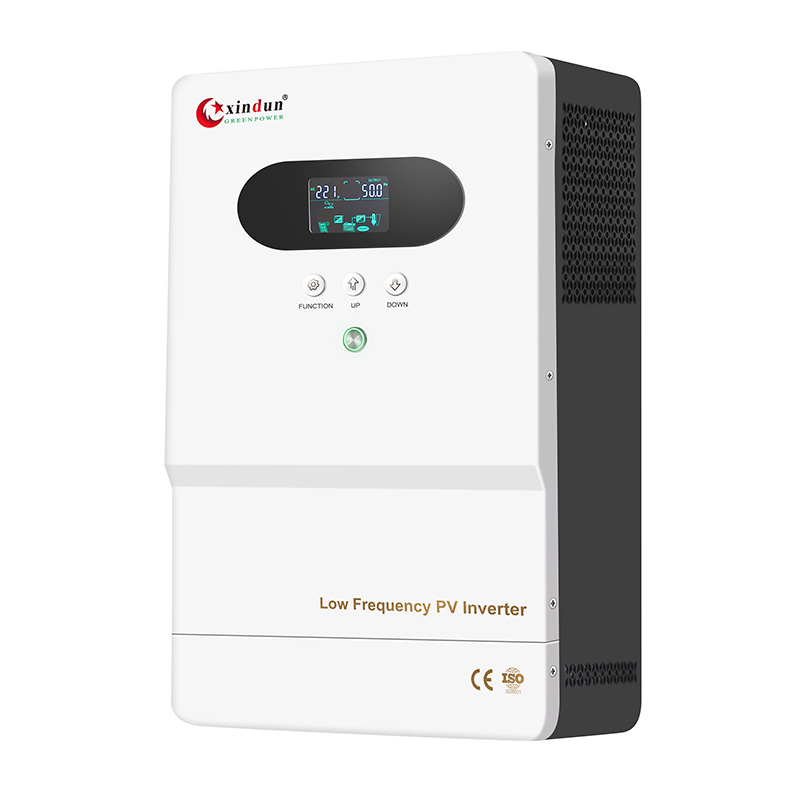
Xindun's HU series hybrid solar inverter feature high frequency design, high efficiency, and low no load losses. They deliver stable, pure sine wave power, making them ideal for Venezuela's frequent power outages and grid fluctuations. This inverter features a built in MPPT solar controller and supports a solar input voltage up to 500V, fully utilizing the abundant solar resources. It also supports hybrid power supply from utility and solar power, with the flexibility to operate with or without batteries, ensuring stable power supply even when battery shortages or costs are high. The HU series can support up to six units in parallel, meeting the needs of both residential and small commercial and industrial loads. Its time of use charging and discharging feature can be adapted to Venezuela's electricity pricing structure, effectively reducing electricity costs. In addition, this inverter is compatible with lithium batteries, supports BMS communication and activation, and offers multiple external communication interfaces for easy monitoring and remote management, providing users with a reliable and flexible solar solution.
Xindun LU Split Phase Solar Inverter
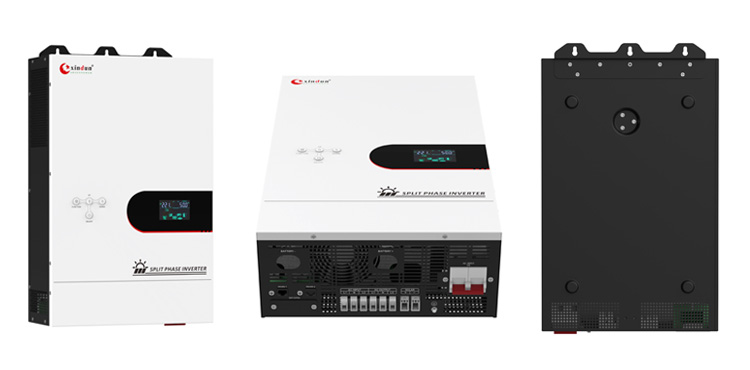
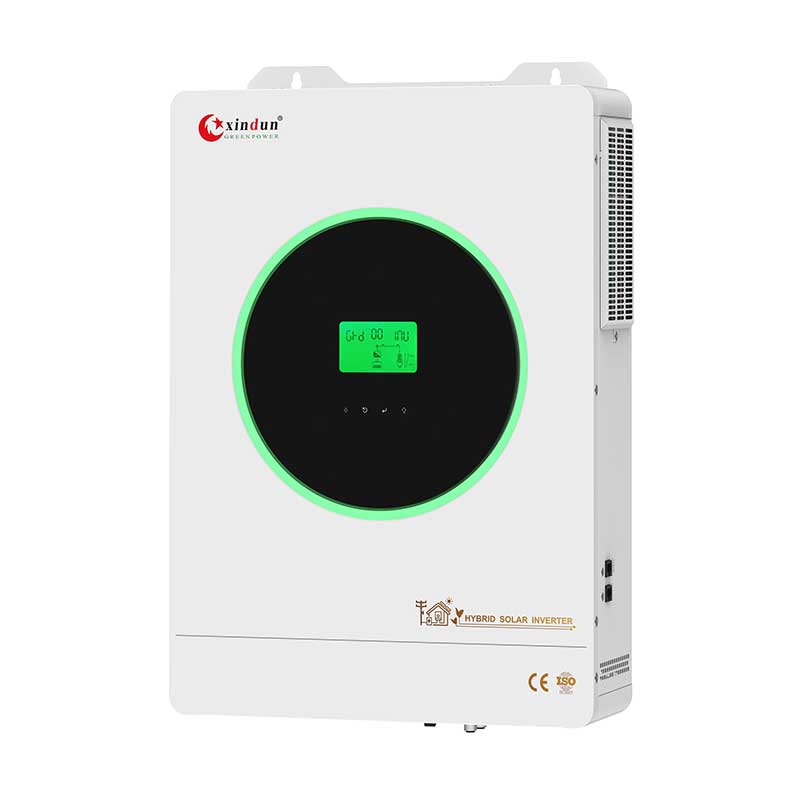
Xindun LU solar inverter ranges from 3000W to 12000W, converting DC 48V to AC 110V/120V/220V/240V.
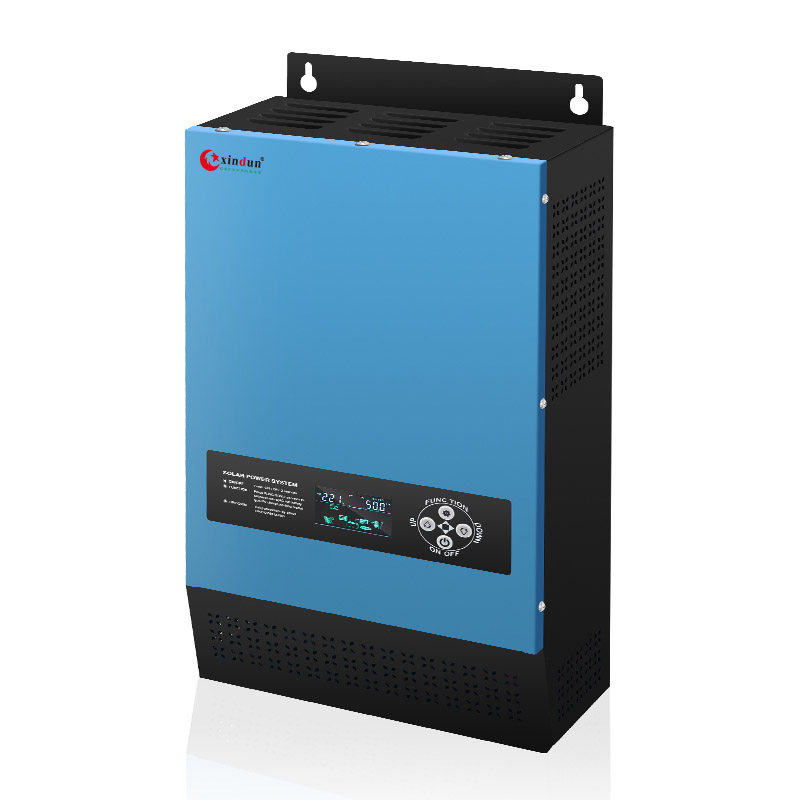
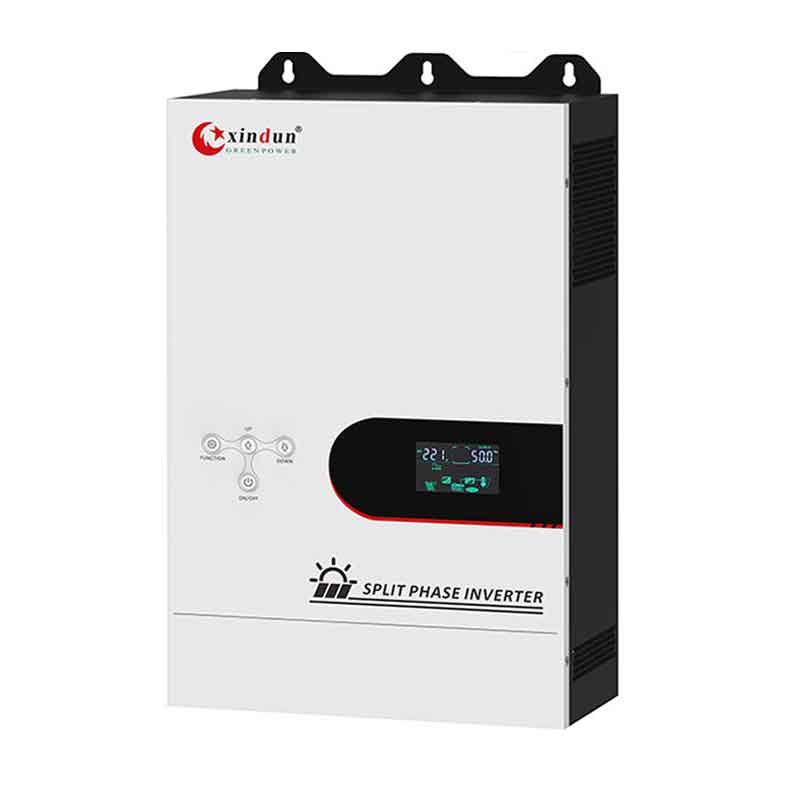
Xindun LU solar inverter is a highly efficient, split phase AC inverter with pure sine wave output. It supports single phase and split phase input modes, accepting either 110V or 120V single phase input, or 110V & 220V or 120V & 240V split phase input, converting AC output to 110V & 220V or 120V & 240V. It is suitable for a variety of power supply environments, particularly in areas like Venezuela, where power grids fluctuate frequently. The Xindun LU solar inverter also features multiple safety features, including overload protection, short circuit protection, and overheating protection, further enhancing its reliability. For home or small business users, this inverter is an ideal choice for Venezuela's complex power supply environment.
Xindun LS Solar Energy Inverter
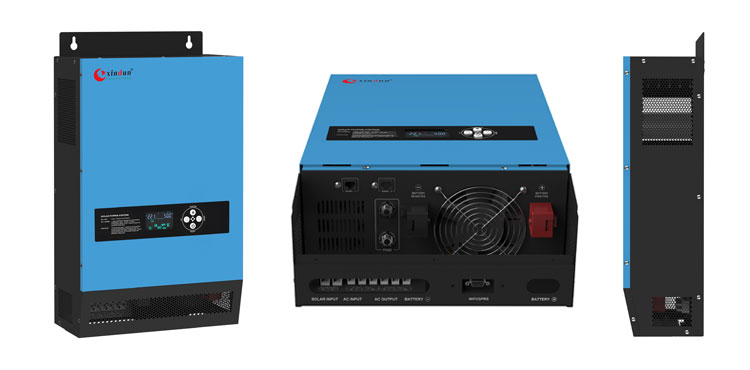
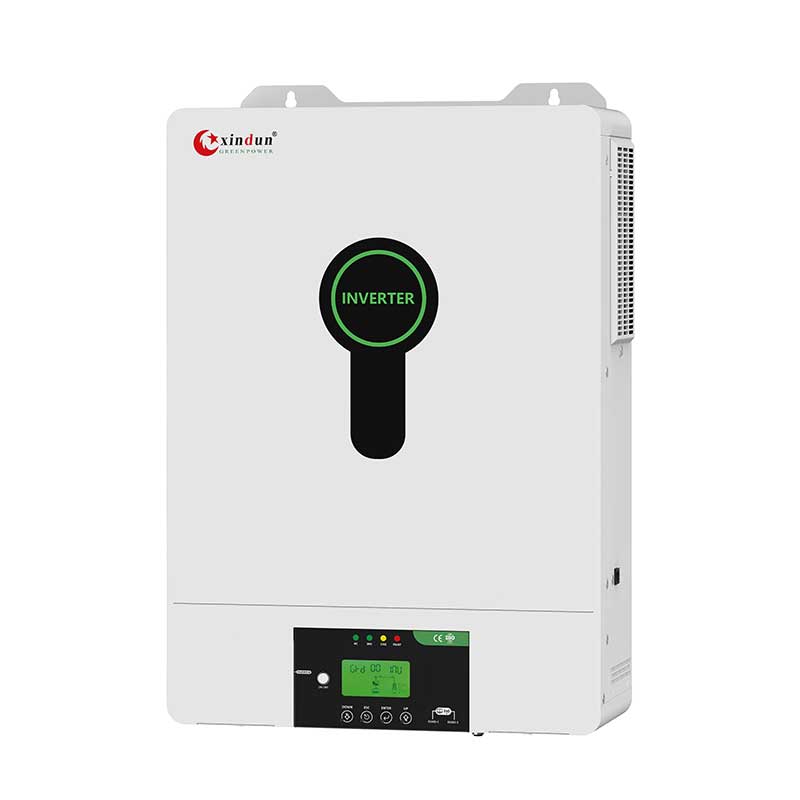
The Xindun LS solar energy inverter ranges from 1000W to 6000W, converting DC 12V/24V/48V to AC 110/120/220/230/240V.
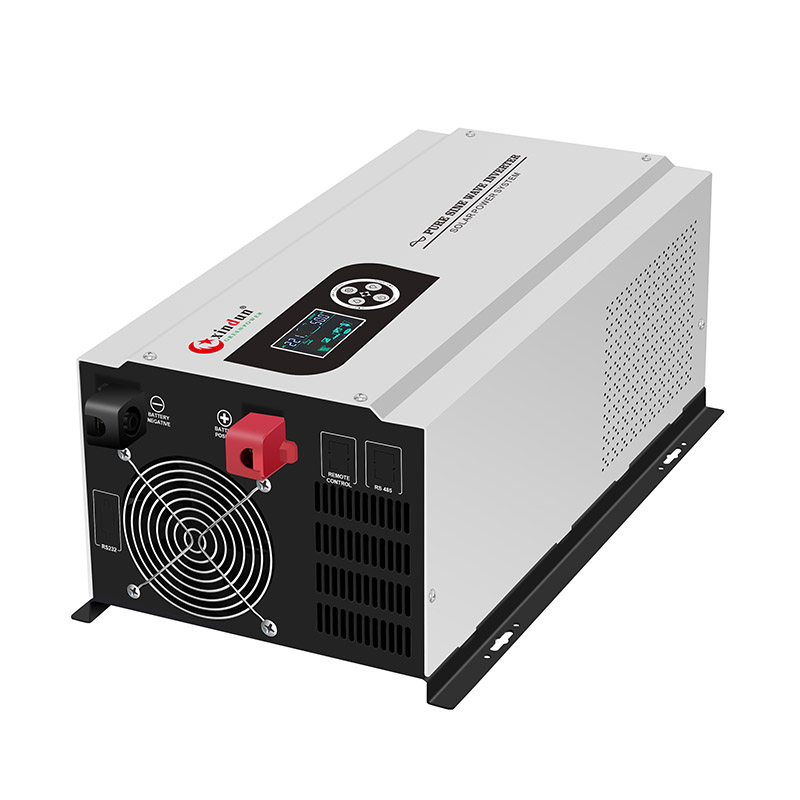
Xindun's LS series solar energy inverter utilize a toroidal low-loss transformer design, offering high conversion efficiency and pure sine wave output. They provide stable power for homes and industrial loads, making them ideal for Venezuela's fluctuating power grid and voltage instability. The series supports split phase outputs of 110V & 220V or 120V & 240V, compatible with common local voltage standards. Built in high efficiency MPPT controller maximizes solar power generation efficiency. The LS inverter features an adjustable mains charging current (0-30A) and three operating modes, allowing users to flexibly meet varying power needs. Its peak starting power exceeds three times the rated power, easily powering high starting current loads such as refrigerators, air conditioners, and water pumps. To ensure reliability, the product features built in automatic protection functions and a new fault code query function, allowing users to monitor operating status in real time. In areas of Venezuela where the power grid is unstable and even requires diesel or gasoline generators, the inverter seamlessly integrates with generator power, ensuring continuous and stable operation.
Xindun HDSX Three Phase Solar Inverter
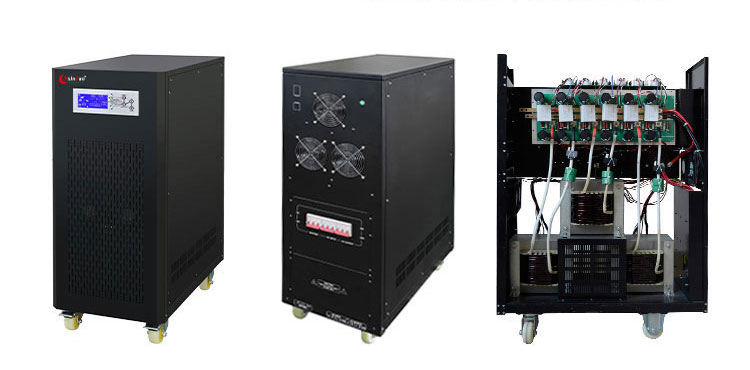
Xindun HDSX solar inverter range from 3.2KW to 160KW, DC 48V/96V/192V/384V to AC 380V/400V.
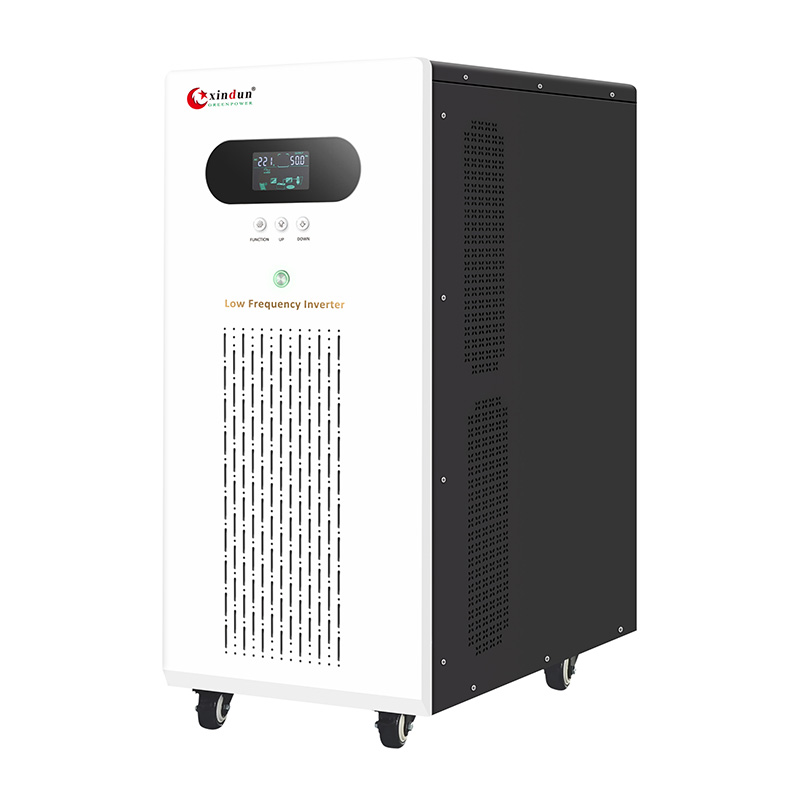
Xindun's HDSX series three phase solar inverter support low battery voltage input, three input, three output functionality, and single phase and three phase output voltages. These inverters can stably handle unbalanced three phase loads and boast up to three times the starting peak power, ensuring smooth operation of high current equipment such as refrigerators, air conditioners, and water pumps. The output power maintains a pure sine wave, ensuring power safety. The HDSX features an ultra wide grid input voltage range, enabling stable operation despite the fluctuating and poor quality of Venezuela's power grid. It also supports a built in PWM or MPPT solar controller, helping users maximize the abundant solar resources. Adjustable mains charging current (0-45A) allows for flexible configuration when electricity prices fluctuate or grid power is limited. The HDSX also supports multiple remote monitoring functions, including RS485, WiFi, and GPRS. Suitable for the diverse power needs of large businesses and industries in Venezuela.
Xindun ESS-LI All In One Solar Energy Generator
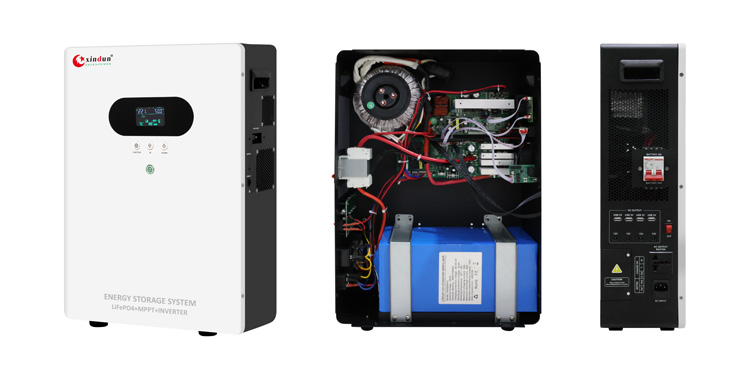
Xindun ESS-LI All In One Solar Generator 300W - 10,000W, DC 12.8V/25.6V/51.2V to AC 110/120/220/230/240V.
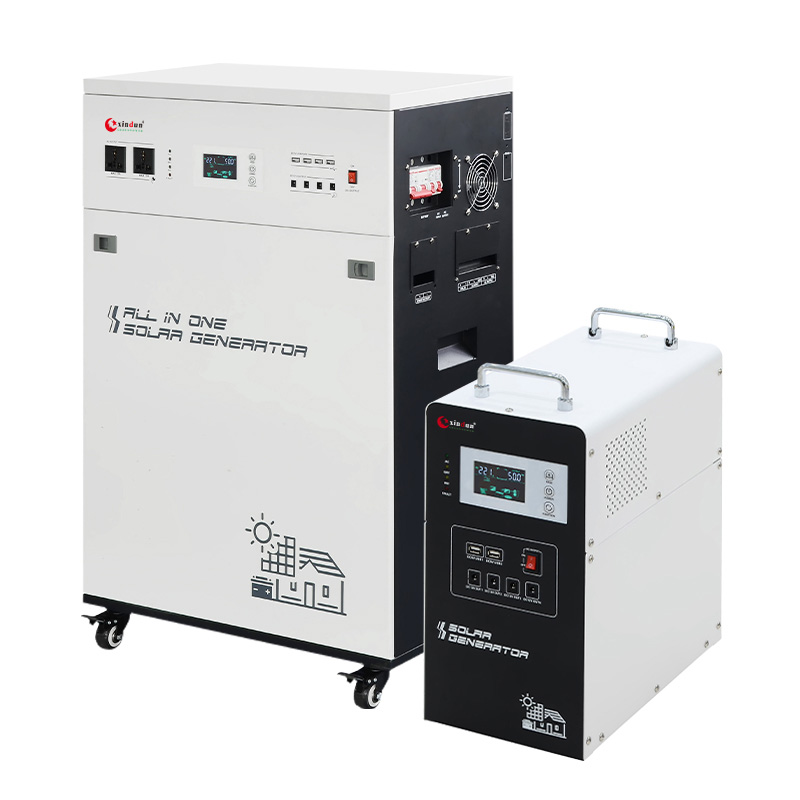
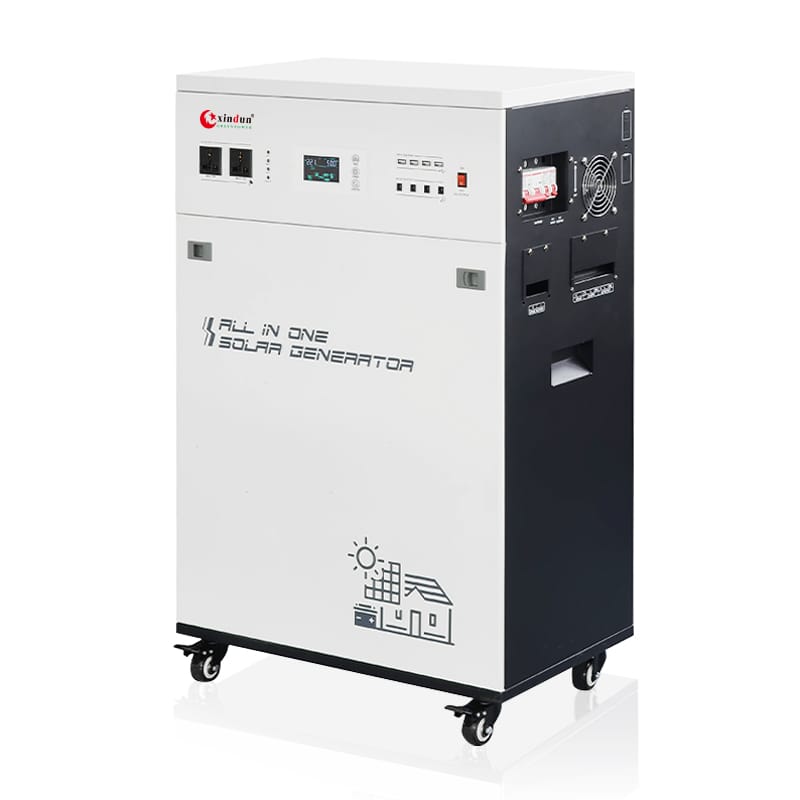
Xindun ESS-LI series is a fully functional energy storage device that integrates MPPT solar controller, inverter, and lithium battery. It's quick and easy to install and is ideal for Venezuela's critical backup power needs. Its compact and elegant design not only saves space but also features multiple plug and play interfaces, including USB 5V, DC 12V, AC outlet, and terminal outputs, meeting the diverse power needs of homes and small businesses. The ESS-LI offers flexible energy storage capabilities, enabling efficient solar charging, compatible power generation from diesel and gasoline generators, and utility power, ensuring continuous power supply even during frequent grid outages. The system supports remote monitoring via WiFi or mobile app, allowing users to monitor operating status in real time. It also features overvoltage, overtemperature, and overload protection, and supports communication with the battery management system (BMS), ensuring safe and reliable system operation.
VII.Why choose Xindun Power?
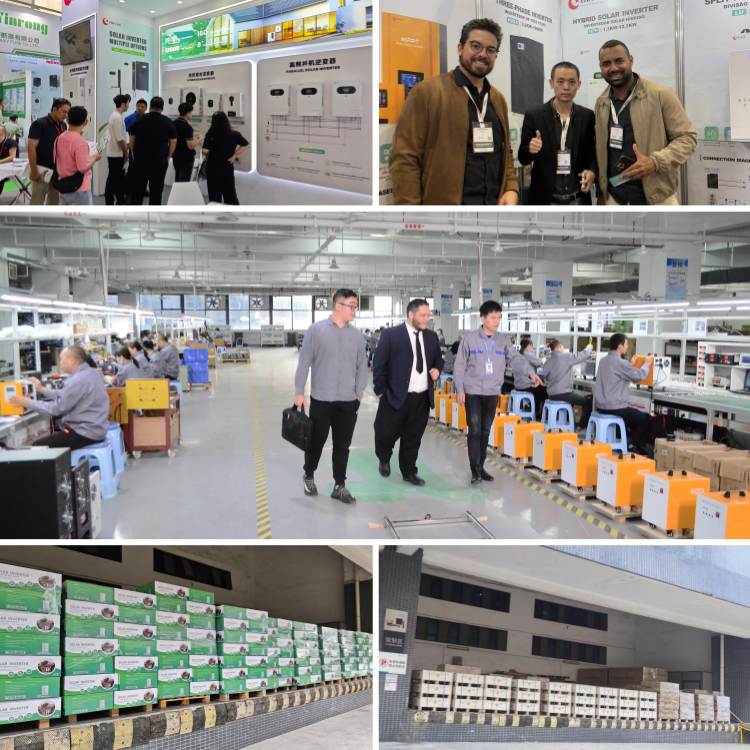
Founded in 2006, Xindun is a professional manufacturer specializing in solar energy inverter with over 20 years of industry experience. Xindun independently controls R&D, design, and production processes, ensuring that each unit meets international standards for performance, reliability, and safety. With products sold in over 100 countries worldwide, we has accumulated extensive experience and is well suited to providing mature and stable energy solutions for regions with unstable power grids, frequent power outages, and large voltage fluctuations.
In terms of quality control, Xindun implements strict management throughout its entire process. Before shipment, each inverter undergoes four burn in tests, three circuit inspections, and two assembly inspections. Xindun also conducts independent testing at a nationally recognized solar product testing center to ensure full compliance with international quality and safety standards. Xindun has obtained international certifications such as CE, IEC, TUV, ISO, and MCS, and holds 20 utility model patents, 15 software copyrights, and 10 design patents, ensuring strict adherence to international standards throughout its R&D, production, and management processes.
Venezuela's aging power grid, frequent power outages, and unstable voltage place extremely high demands on the reliability of its backup power supply for both residents and businesses. We offer OEM/ODM services tailored to the unique local power environment. Xindun offers mature off grid solar inverter solutions, incorporating efficient MPPT solar controller, remote monitoring capabilities, and multiple safety features. These solutions enable stable operation in complex power environments while reducing energy costs.
In addition, Xindun has a dedicated team dedicated to the Venezuelan market, keeping abreast of local power conditions. We develop and innovate inverters tailored to the local solar market, provide localized technical support, and offer comprehensive after sales service, helping users quickly install, commission, and maintain their systems, ensuring continuous power supply even during power shortages or outages.
Seize the opportunities of Venezuela's rapidly growing solar market and choose Xindun Power to build a stable and efficient solar energy system for your business, home, or other projects. Contact us today through our website (https://www.xinduninverter.com/) to discuss suitable solar solutions!
 Why the Solar Power Inverter Is Key to Kazakhstan's Electricity Future?
 Top Selling Products













 WeChat
 Email
Email WhatsApp