
 Solar Inverter
 Hybrid Inverter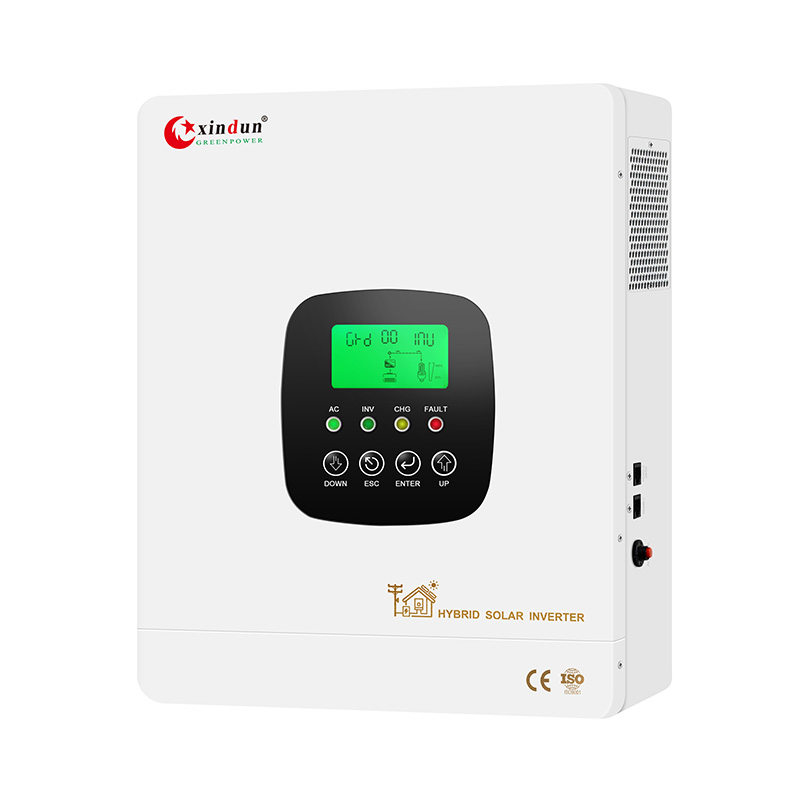
 Power Inverter
 Split Phase Inverter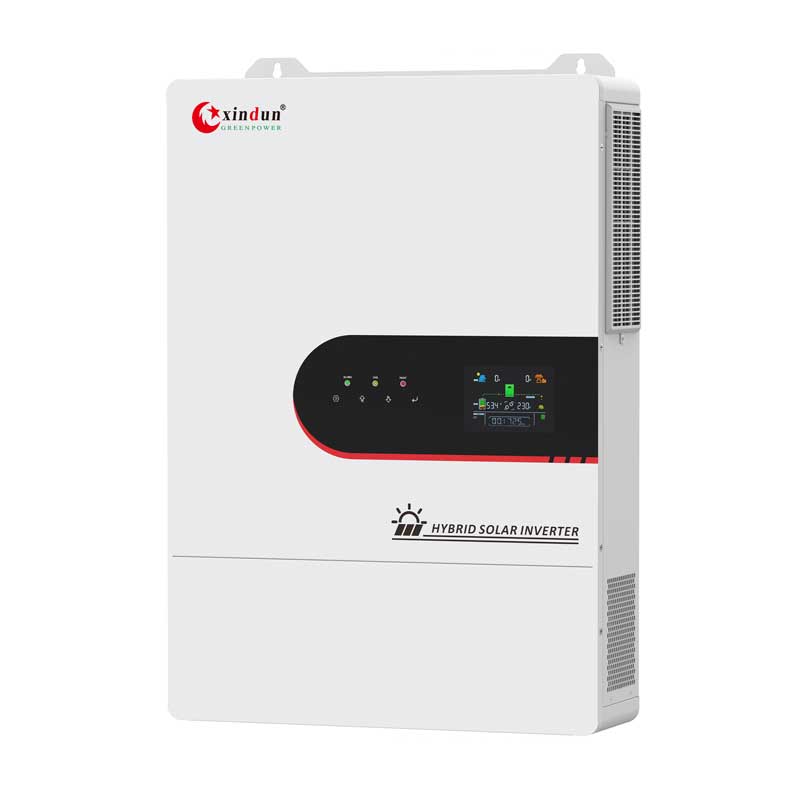
 Energy Storage Inverter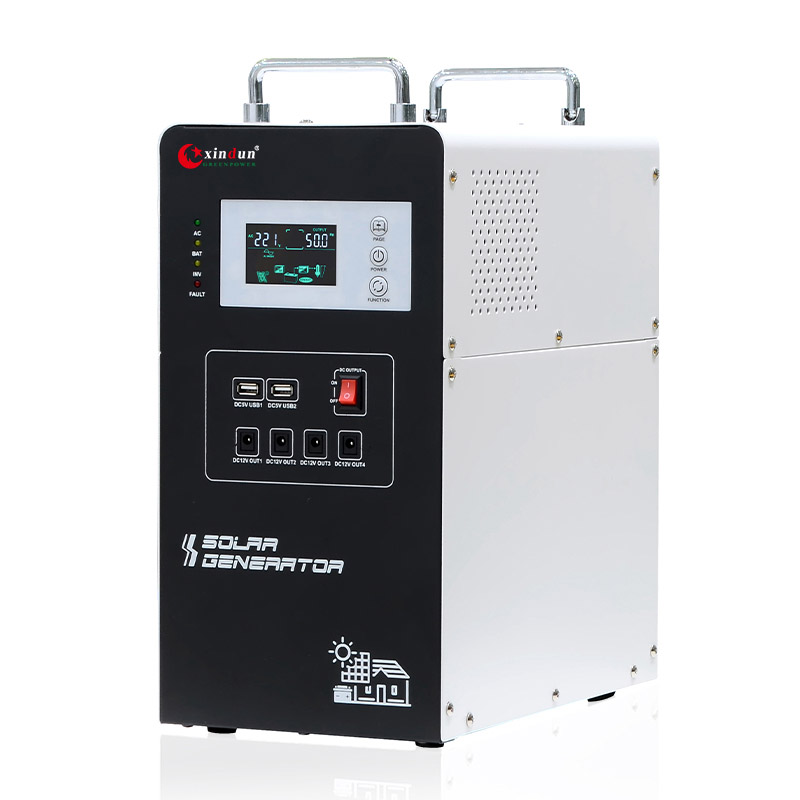

 3 Phase Inverter
 Solar System Kits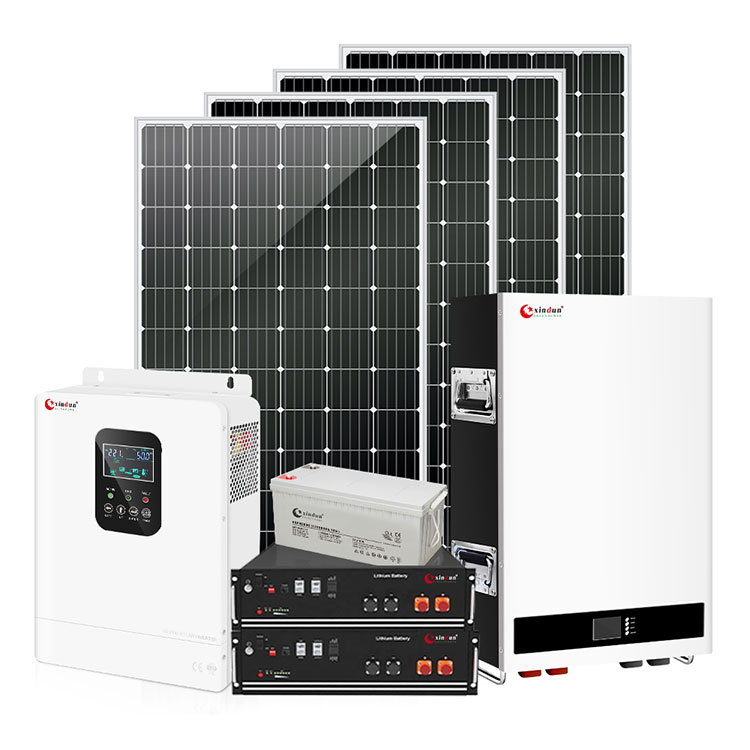
 Solar Charge Controller

 Solar Battery
 Asia
Asia
 Africa

 South America
 Europe
 North America
 Oceania & Antarctica


 Inquire

 Home
HomeChile’s Solar Power Inverter Market Trends and Potential
 Sep 30,2025

 XINDUN
Although Chile boasts a relatively stable economy in South America, many households and businesses still face high electricity costs and intermittent power shortages due to its reliance on energy imports, regional power supply imbalances, fluctuating electricity prices, and frequent power outages. Power supply issues are particularly acute in northern regions, particularly those with limited grid coverage. This has led to a growing demand among businesses and residents for more reliable and cost effective energy solutions, making solar power a key component of Chile's energy transition. Solar inverters, as the "heart" of a solar power system and crucial for power generation efficiency and stability, hold enormous potential for growth in the Chilean solar market. So, what is the current state of electricity in Chile? Why have electricity prices remained persistently high? Can solar power address these challenges? Below, Xindun will provide a detailed, multi-faceted analysis to provide precise solutions for local users.

Chile's Power Structure
According to Chile's power structure data from September 2024 to August 2025, fossil fuels account for 31.6%, hydropower contributes approximately 26.41%, solar power accounts for 23.43%, wind power accounts for 13.27%, and biofuels account for approximately 5.15%. Within fossil fuels, coal fired power generation accounts for 15.77% (primarily relying on imported coal, its costs are significantly affected by fluctuations in international coal prices. In 2024, due to rising international coal prices, the cost of coal fired power generation increased by 12% year-on-year). Natural gas accounts for 14.62% (80% is imported from Argentina. Gas pipelines have experienced three disruptions due to domestic supply constraints in Argentina, with the most severe disruption lasting up to 48 hours). Although the northern region accounts for 61% of the country's total installed solar capacity, transmission bottlenecks prevent a significant amount of generated electricity from reaching key load centers in central and southern Chile. This results in approximately 2.7 TWh of solar power being curtailed annually. This is equivalent to the annual electricity consumption of 120,000 households in northern Chile or the annual power consumption of three medium-sized copper mines, creating significant challenges in consuming this energy. However, by optimizing the layout of solar system, increasing energy storage, and configuring inverters with high efficiency conversion, the excess power in northern Chile can be more efficiently dispatched. For example, excess power can be stored in energy storage systems and transmitted via transmission lines during peak electricity consumption hours in central Chile (6:00 PM to 10:00 PM). This not only alleviates the supply imbalance caused by regional power generation dislocation, but also reduces dependence on fossil fuels and promotes Chile's transition to solar power generation.
Is Chile's electricity price cheap?
Although Chile's renewable energy share has been increasing annually (from 35% in 2020 to 45% in 2025), electricity prices remain relatively high, with significant price differences between regions and user types, directly increasing the burden on households and businesses. According to data from the Chilean National Energy Commission (CNE) for 2024-2025, the average residential electricity price is $0.15–$0.18 per kilowatt-hour (kWh), but in core areas like Santiago, it's $0.20–$0.25 per kWh (even higher in winter, with peak prices reaching $0.30 per kWh due to heating demand). For example, an average household in Santiago (using approximately 300 kWh per month) would pay an average monthly electricity bill of $75 in winter, representing 10%–12% of disposable income, far exceeding the South American average of 5%–7%. The pressure on businesses is even greater. While the average industrial electricity price in Chile is approximately $0.12–$0.16 per kilowatt-hour (kWh), energy intensive industries (such as copper mines and smelters) face prices as high as $0.20–$0.30 per kWh due to their need for stable power supply. For example, a medium-sized copper mine in Chile (with a daily output of 2,000 tons) consumes approximately 1.2 terawatt-hours (TWh) annually, resulting in an average annual electricity bill exceeding $24 million. This electricity bill accounts for 28% of total production costs, becoming the second largest cost item after raw materials. In northern and remote areas, particularly due to inadequate grid coverage, approximately 300,000 households and 200 businesses rely entirely on diesel generated electricity, resulting in electricity prices as high as $0.40–$0.50 per kWh. This not only increases electricity costs but also carries with it significant carbon emissions and environmental impacts. Even in central and southern Chile, where power grids are well developed, peak hour power shortages can still lead to temporary price increases or power rationing. In the winter of 2024, Santiago experienced three industrial power rationing incidents, each affecting over 500 businesses. Furthermore, the cost of diesel power generation continues to rise. In 2024, international oil prices rose 18% year on year, directly increasing diesel power costs by 15% in northern Chile. Some businesses have been forced to reduce production due to cost pressures.
Against this backdrop, solar power generation has become an important means of alleviating Chile's electricity price problem, particularly with a focus on off grid solar power. Installing off grid solar system not only significantly reduces electricity costs for households and businesses but also alleviates pressure on the grid. Furthermore, they enable remote areas and mining areas beyond the reach of the grid to enjoy stable and affordable electricity, reducing dependence on fossil fuel imports and enhancing energy independence. This aligns with Chile's goal of achieving carbon neutrality by 2050. Furthermore, it reduces carbon emissions from diesel power generation, achieving win-win outcomes for both the economy and the environment. This sustainable energy model will become a key driver for optimizing Chile's energy structure and promoting a green economic transition.
Chile's Electricity Situation
Power shortages are widespread throughout Chile during peak hours and in remote areas. Aging infrastructure and sudden failures further exacerbate power instability.
1. Growing Regional Supply and Demand Imbalance
Central core cities such as Santiago and Antofagasta often experience temporary power cuts or price increases during peak industrial and residential electricity consumption periods. For example, in the winter of 2024, Santiago implemented five industrial power cuts, each lasting four to six hours. This resulted in production cuts for local manufacturing companies and resulted in losses exceeding $10 million per cut. While the north boasts abundant installed solar capacity, due to insufficient transmission line capacity and high losses, approximately 18% of this solar power cannot be transmitted to central and southern Chile. This continues to impact power shortages in central and southern cities, creating a regional supply and demand imbalance in Chile: "Power is available in the north but cannot be generated, while power is lacking in central and southern Chile and cannot be used."
2. Severely Aging Infrastructure
Chile's power infrastructure is aging, a problem that is becoming increasingly serious. Much of Chile's power infrastructure dates back to the 1980s and 1990s, with over 60% of transmission towers and transformers having reached their designed lifespan of 25 years. Inadequate maintenance of this infrastructure has led to frequent failures. In August 2024, Italian energy company Enel failed to promptly repair storm affected transmission lines in central Chile, resulting in a power outage of over 48 hours for 300,000 households in and around Santiago and $50 million in industrial losses. The company was fined $19 million by the Chilean government. Official investigations revealed that approximately 30% of Chile's power facilities are beyond their service lifespan, with the average repair time after a power outage reaching eight hours. This has severely impacted local industry, commercial activities, and residents' lives. Although the Chilean government plans to invest $12 billion in power grid upgrades between 2025 and 2030, financial constraints and construction time constraints mean that initial grid coverage in remote northern regions will take at least another 10 years. This means that over the next decade, off grid solar power will be one of the primary energy solutions for off grid regions in the north, and its market demand will remain strong.
3. Frequent Major Power Outages
On February 25, 2025, Chile experienced a massive power outage. Caused by aging power equipment, a failure in the interconnector between a northern solar power station and the central power grid triggered a chain reaction affecting over 90% of the country's population. Public transportation (subways and buses) was completely paralyzed, mobile communication base stations were disconnected for over six hours, nearly 300,000 students were forced to suspend classes, and 12 copper mines (accounting for 25% of the country's copper production) were shut down. Direct economic losses exceeded US$200 million. Although the main power grid was restored within 24 hours, intermittent power outages persisted in 15% of the north and south for the next three days, with some remote villages experiencing power outages for over 72 hours.
4. Continued Growth in Electricity Demand
With Chile's continued economic development and accelerating urbanization, electricity demand is showing a trend of rigid growth. Traditional fossil fuel power generation is increasingly constrained by environmental regulations (Chile plans to phase out coal fired power generation by 2035), while hydropower is impacted by the El Niño climate (over the past three years, power generation at hydropower stations in southern Chile has fluctuated by approximately ±20%). This has further increased pressure on Chile's electricity supply. Against this backdrop, solar power, as a clean, renewable energy source, has become a key way to alleviate power supply pressure and promote energy transformation.
Prospects for Solar Energy Development in Chile
1. Abundant Solar Resources
The Atacama Desert in northern Chile is one of the richest regions in the world in terms of solar resources. Its annual solar radiation reaches 2,500 kWh/m², with an average annual sunshine duration of over 3,000 hours and an average daily effective sunshine duration of 8-9 hours, far exceeding the global average of 5-6 hours. Its solar power generation efficiency is over 30% higher than the global average. In central Chile (around Santiago), annual solar radiation intensity ranges from 1,800 to 2,200 kWh/m², while in southern Chile (Concepción), it reaches 1,500 to 1,800 kWh/m². While not as high as in northern Chile, these regions still have the conditions for developing distributed solar power generation, such as on household rooftops and commercial buildings.
2. Strong Government Policy Support
The Chilean government has set clear energy transition goals: renewable energy accounts for over 60% of the country's energy by 2030 and 100% clean energy by 2050. To achieve these goals, it has introduced a series of targeted policies with strong implementation.
Financial Incentives Low interest loans (3.5%-4.5%, 30% lower than commercial loans) are provided for solar projects, with a maximum loan term of 15 years. Corporate income tax is exempt for the first two years, with a 50% reduction for the next three years. Distributed solar projects are exempt from value added tax (VAT) (19%), with an annual interest rate as low as 3.0% for off grid projects (0.5 percentage points lower than on grid projects). The loan term is up to 20 years, with interest only payments for the first five years.
Tax incentives. Imported off grid power inverter, energy storage batteries, and other equipment are exempt from customs duties (15%), and off grid projects are exempt from corporate income tax for the first five years of operation.
Preferential electricity prices. Distributed solar system enjoy a "self generation for own use, surplus power fed into the grid" policy. The purchase price for surplus power is 1.2 times the residential electricity price (in Santiago, the purchase price is $0.24-0.30/kWh), directly increasing household installation willingness. By 2024, Chile's newly installed household distributed solar capacity will reach 500MW, a 45% year on year increase.
Market openness. Chile encourages businesses to sign long term power purchase agreements (PPAs) with solar power plants, locking in future electricity prices (with contracts lasting 20-25 years) and mitigating the risks of energy price fluctuations. In 2024, Chile signed 3.2 GW of new solar PPAs. Mining giant Antofagasta Minerals signed a 1.2 GW solar PPA to power its northern copper mines. The 20-year contract locked in a price of $0.06/kWh, 40% lower than the current industrial electricity price of $0.20/kWh. Based on the company's annual electricity consumption of 1.8 TWh, this translates to over $25 million in annual electricity savings.
Simplified approvals. By 2025, the environmental approval timeline for solar projects under 100 MW will be shortened from 14 months to 8 months, with projects under 5 MW eligible for a "fast track" (approval within 4 months). In 2024, a record 2.3 GW of new solar capacity was installed, 80% of which were projects under 100 MW, significantly improving approval efficiency.
Public welfare projects. The Chilean government has launched the "Northern Energy Poverty Alleviation Program," aiming to install 1-3KW off grid solar system for 100,000 off grid households in northern Chile between 2025 and 2027. Currently, approximately 30,000 households, covering 87 villages, have been installed.
3. Accelerated Implementation of Large Scale Solar Projects
Chile is developing several large scale solar and energy storage projects to alleviate regional supply and demand imbalances. The implementation of these large scale solar projects will significantly increase Chile's share of renewable energy.
Grenergy's "Oasis de Atacama" project: Located in the Atacama Desert, it has a total installed capacity of 4.4 GW and is equipped with an 18.8 GWh energy storage system (with a storage capacity of 4 hours). This system is used to adjust for diurnal fluctuations in electricity supply and demand. During daytime peak solar generation, excess power is stored in the energy storage system. At night, during peak electricity demand in central Chile, the energy storage system is discharged and transmitted to the central power grid. This project is expected to reduce power curtailment in northern Chile by 0.8 TWh annually.
The Engie Coya Solar Power Plant: Located in the central Coquimbo region, it has a planned capacity of 600MW and is equipped with a 638MWh energy storage system (with a storage duration of one hour). It primarily provides peak power to Santiago. Upon its commissioning in 2026, it is expected to meet 15% of Santiago's peak electricity demand and reduce the frequency of power outages.
Mining Support PV Project: Codelco (the world's largest copper company) is constructing a 500MW solar power plant at its Chuquicamata copper mine in northern Mexico, equipped with 200MWh of energy storage. Upon commissioning, it will meet 40% of the mine's electricity needs, reduce diesel consumption by 1.2 million tons annually, and reduce carbon emissions by 3.5 million tons.
4. Significant Economic Advantages
According to estimates by the Chilean National Energy Commission (CNE), the levelized cost of electricity (LCOE) for solar power generation has fallen to $25–35 per MWh by 2024, more than half the cost of thermal power ($70–80 per MWh) and natural gas power ($60–90 per MWh). In terms of return on investment, the static payback period for solar projects is generally 5–7 years, significantly shorter than wind power (8–10 years) and natural gas power plants (10–12 years). With no fuel costs during operation, the profitability is far more stable than traditional energy sources. Furthermore, solar energy's zero emission nature helps Chile reduce carbon emissions, placing it at the forefront of global carbon neutrality efforts.
What type of power inverter is suitable for Chile?
Solar power generation is rapidly developing in Chile. As the core of a solar system, solar inverters are crucial for efficient system operation. Common inverter types include off grid inverter, on grid inverter, and hybrid inverter. So, how do these inverters fit into Chile's power landscape?
Off Grid Inverter
Off grid inverters are independent power generation devices that provide independent power without relying on an external grid. They convert the direct current (DC) generated by solar panels into alternating current (AC) and store it in battery, ensuring power availability even in off grid environments. In remote northern Chilean regions, such as the Atacama Desert and mining areas, where grid coverage is limited and these areas also experience some of the highest solar radiation levels in the world, off grid inverter, combined with battery storage, can provide a stable energy solution, reducing reliance on diesel generators. For mining companies, remote settlements, and agricultural irrigation systems, off grid inverter not only reduce long-term electricity costs but also align with Chile's policy of promoting the widespread use of renewable energy in remote areas.
On Grid Inverter
On grid inverter convert the direct current (DC) electricity generated by solar panels into alternating current (AC) and feed it directly into the public grid. They lack energy storage capabilities and primarily operate on a "self generated for own use" basis, with excess power fed into the grid. In densely populated areas of central Chile, such as Santiago, where electricity demand is high and the grid is relatively stable, on grid inverter can help households and businesses reduce their electricity bills and generate additional revenue through net metering. Since Chilean electricity prices are among the highest in South America, investing in on grid solar power system is highly economical, making on grid inverter widely used in distributed solar power plants and rooftop solar system.
Hybrid Inverter
Hybrid inverter combine off grid and on grid functionality, integrating solar power into the grid while also providing backup power during power outages with energy storage batteries. When the grid is normal, solar power is prioritized to meet load demand, with excess power stored in the battery. In the event of a grid failure or power outage, they automatically switch to off grid mode, powered by the energy storage battery, ensuring continuous operation of critical loads. In Chile, hybrid inverters are suitable for businesses and households seeking to reduce electricity costs by connecting to the grid but concerned about power instability. For example, in southern Chile, where rainfall is high and power grid conditions fluctuate significantly, hybrid inverter can effectively ensure continuous power supply. They not only enhance energy independence but also enable energy storage during low price periods and release during peak periods, thereby smoothing out fluctuations in electricity costs. Hybrid inverters are becoming a promising option in the Chilean market.
Which inverter is best for the Chilean market?
Faced with power crises caused by unstable power grids and regional power supply variations in Chile, inverters have become a hot selling solar product in the Chilean market. Choosing the right solar power inverter not only ensures a stable power supply but also provides long term returns on investment. As a global solar power inverter supplier, Xindun can provide inverter products and solutions tailored to local power needs. Below, we recommend four inverters best suited for the Chilean market:
HFP Series Hybrid Solar Power Inverter
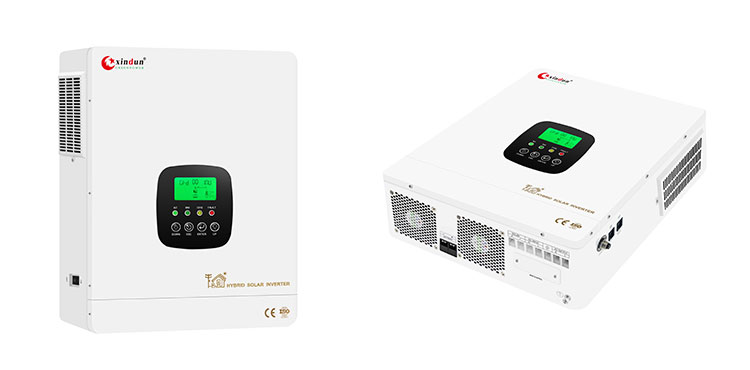
Xindun's HFP series hybrid inverter convert 12V/24V/48V DC to 220V AC, frequency 50Hz. Power options include 1KW, 2.3KW, 3.3KW, 4.3KW, 5KW, 6.3KW, 8.3KW, 10.3KW, and 12.3KW.
Xindun's HFP series inverter are on grid and off grid hybrid solar inverter. They utilize a high frequency design, output pure sine waves, and boast an inverter efficiency of up to 94%, ensuring power supply stability while minimizing energy loss. Their built in MPPT solar controller, with a maximum solar input voltage of 500V, enables efficient utilization of solar resources in northern Chile's high intensity radiation regions. They also implement maximum power point tracking (MPPT) even under intense sunlight, minimizing power waste. Equipped with bidirectional energy storage, the inverters can charge batteries from both solar and mains power, enabling flexible energy scheduling, ensuring power continuity, and optimizing system efficiency. The inverter also supports battery-free operation, reducing initial system construction costs. For Chilean users with limited investment budgets but an urgent need to cope with high electricity prices and unstable power supply, the solar power system can be built in phases, with energy storage equipment gradually added.
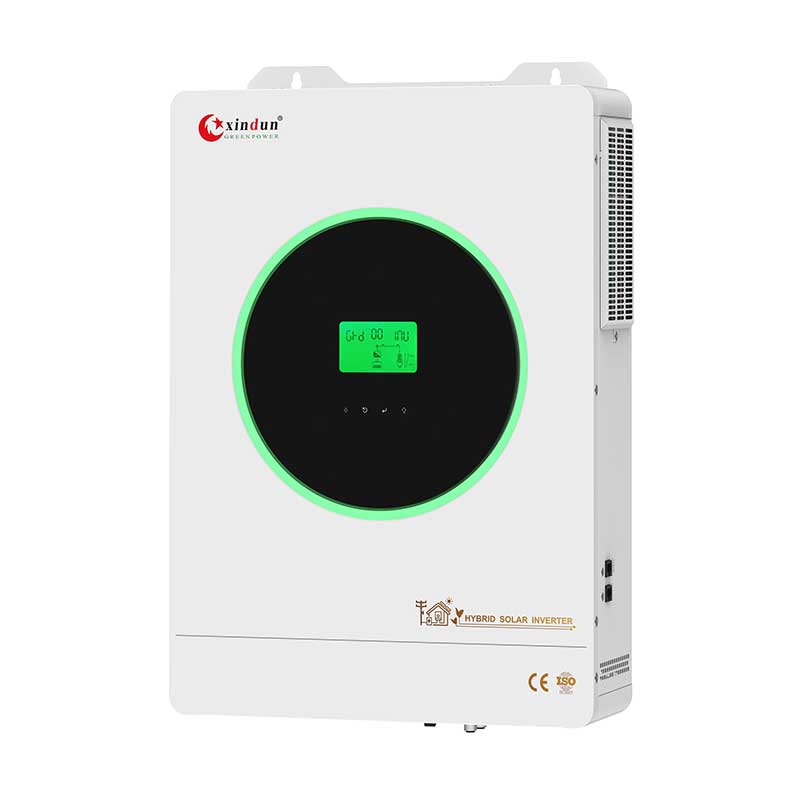
LS Max Series Solar Power Inverter
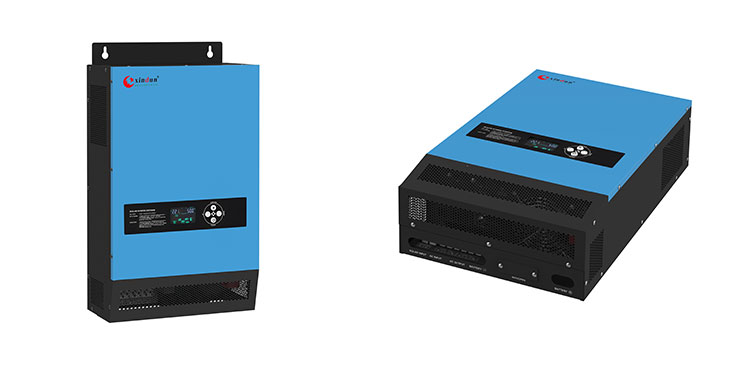
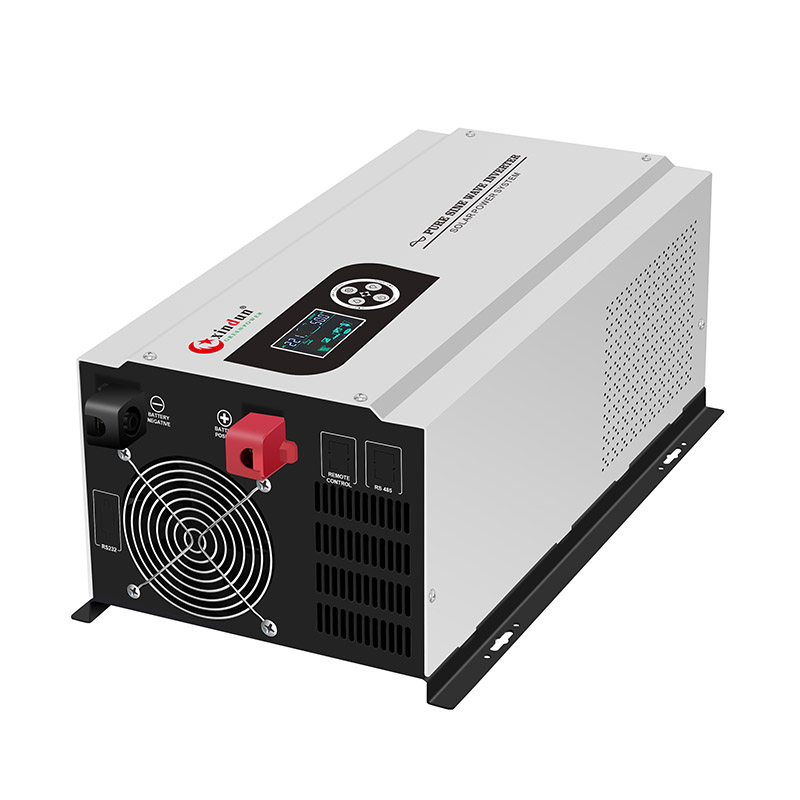
Xindun's LS Max series solar power inverter convert 12V/24V/48V DC to 220V AC, frequency 50Hz. Power options include 1kW, 1.5KW, 2KW, 3KW, 4KW, 5KW, and 6KW.
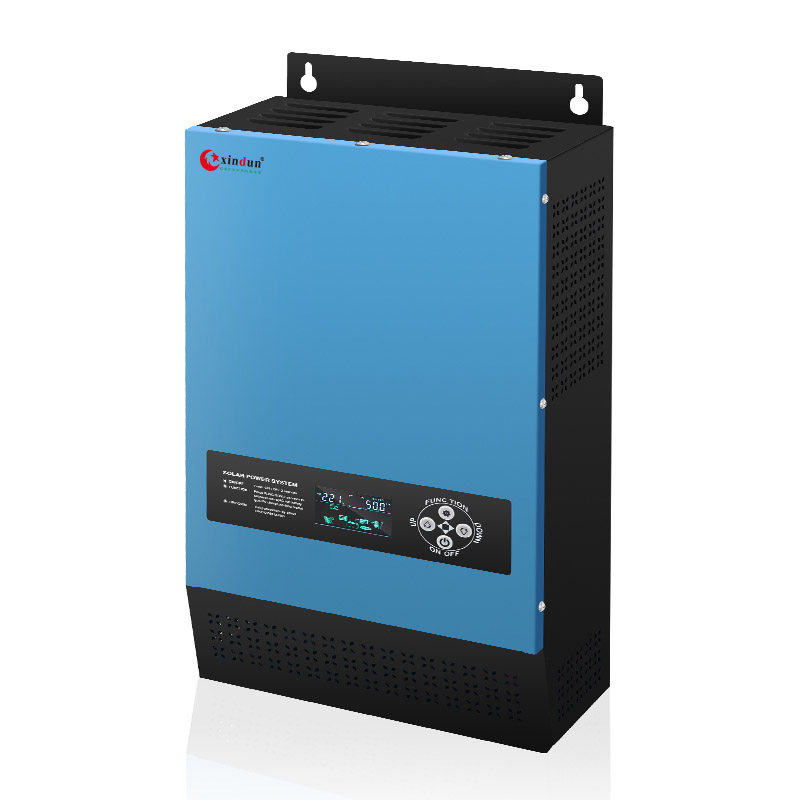
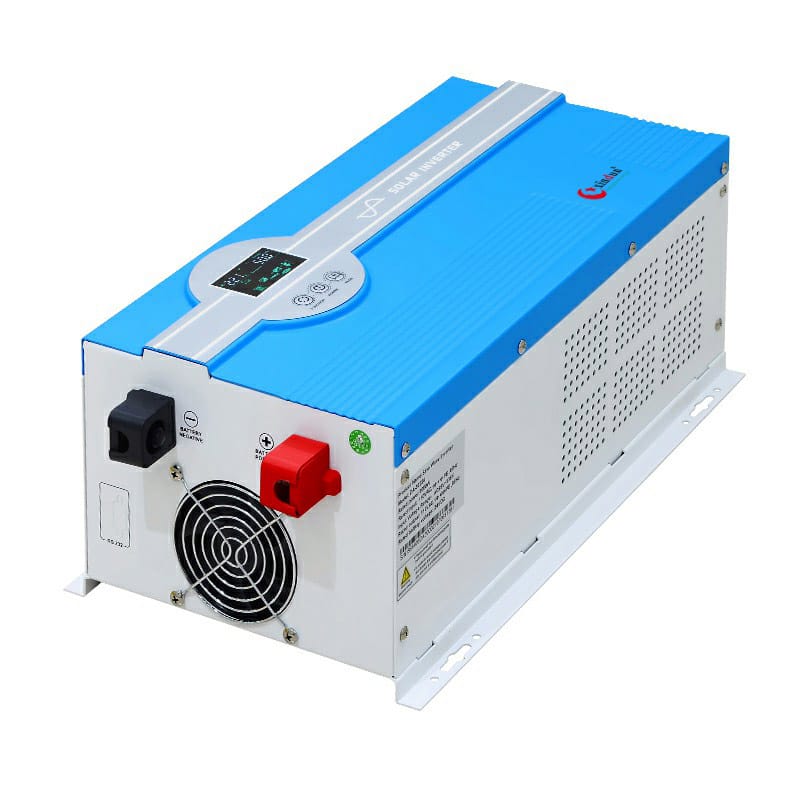
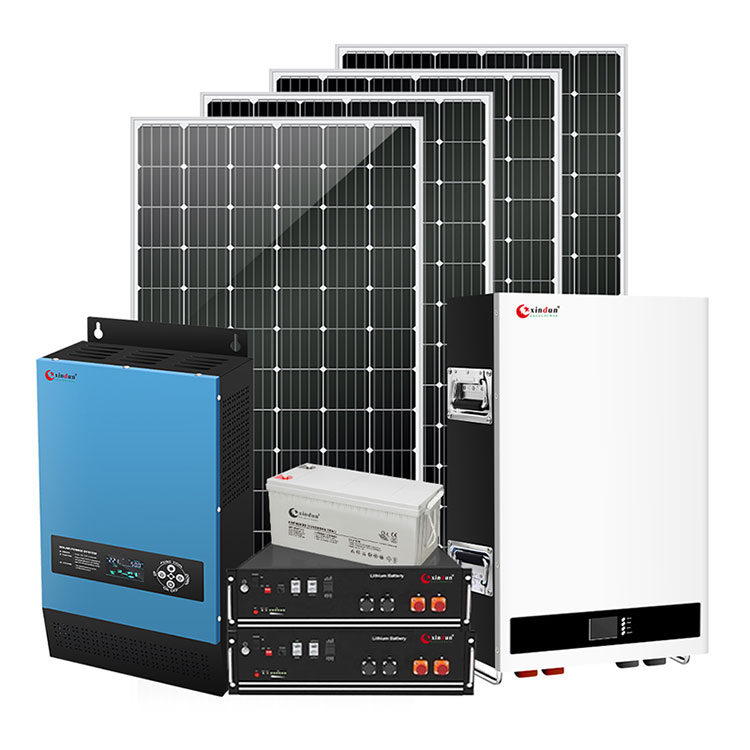
The Xindun LS Max utilizes a toroidal low loss transformer and a pure sine wave output design to reduce conversion losses in solar power in high irradiation areas in northern China, ensuring power quality in critical applications such as mining and agriculture. The inverters are available in 0-30A configurations. The adjustable mains charging current and three selectable operating modes enable flexible response to fluctuations or power restrictions in the central power grid. Combined with support for diesel (gasoline) generators, it provides dual protection for the harsh power environments in southern areas with weak power grids or northern mining areas, resolving the local reliance on expensive diesel power generation. Coupled with its wall mounted design for both industrial and civilian use, it is easy to install and suitable for a variety of scenarios, including home, commercial, and industrial. Whether it's rooftop solar power in Santiago or a mining power station in the Atacama Desert, it can be efficiently adapted, helping Chile alleviate regional power supply imbalances, reduce electricity costs, and improve power stability.
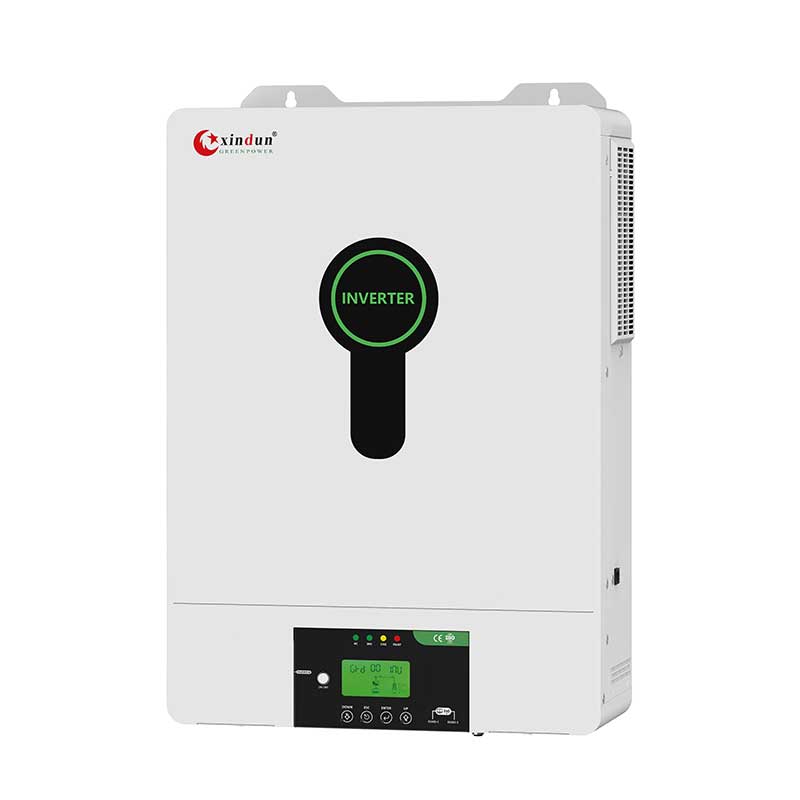
LU Series Solar Power Inverter
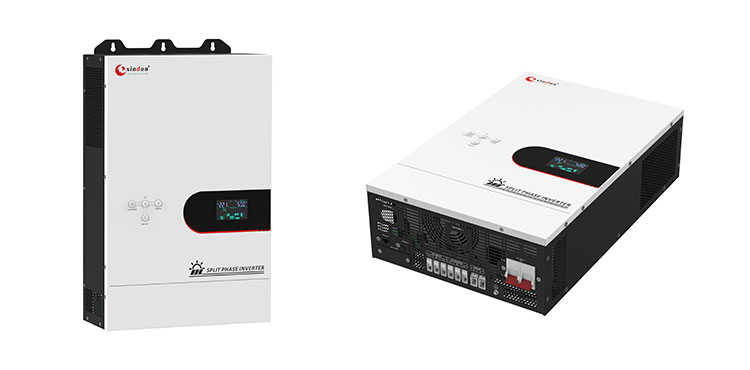
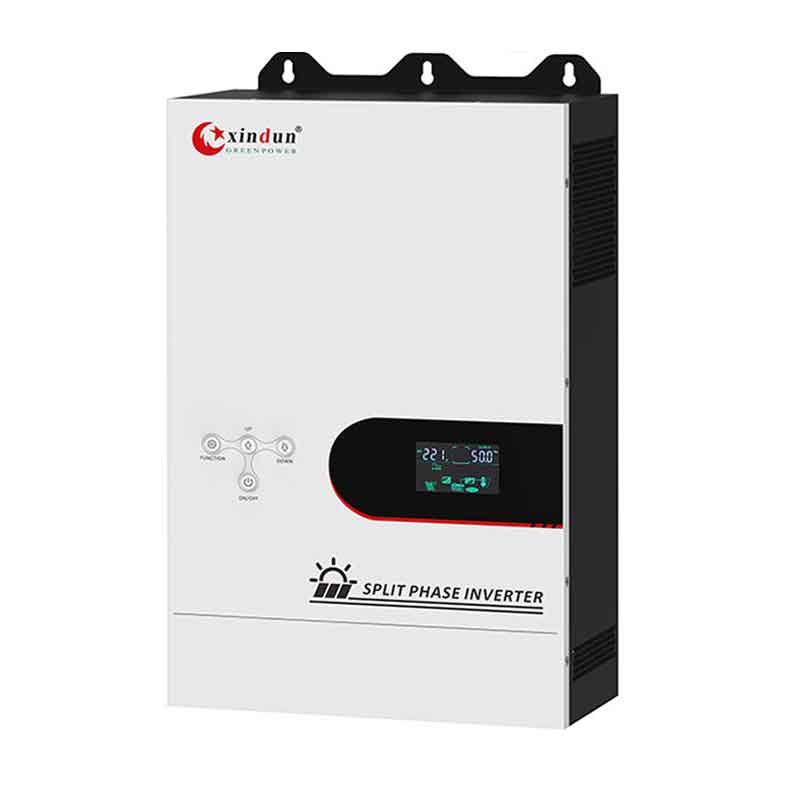
The Xindun LU series solar power inverter converts 12V/24V/48V DC to 220V AC, frequency 50Hz, with power options of 3KW, 5KW, 6KW, 10KW, and 12KW.
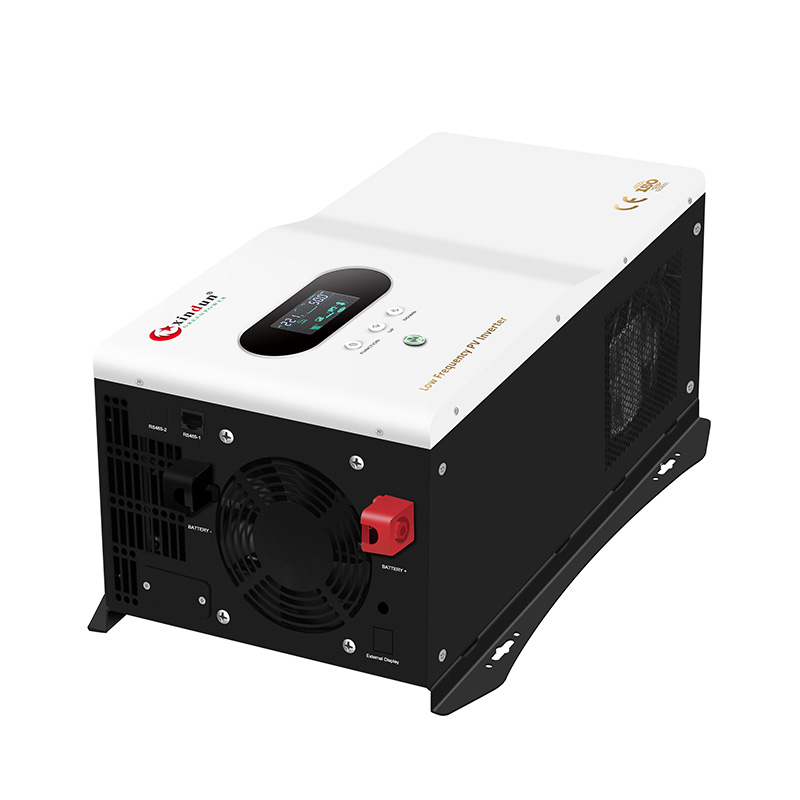
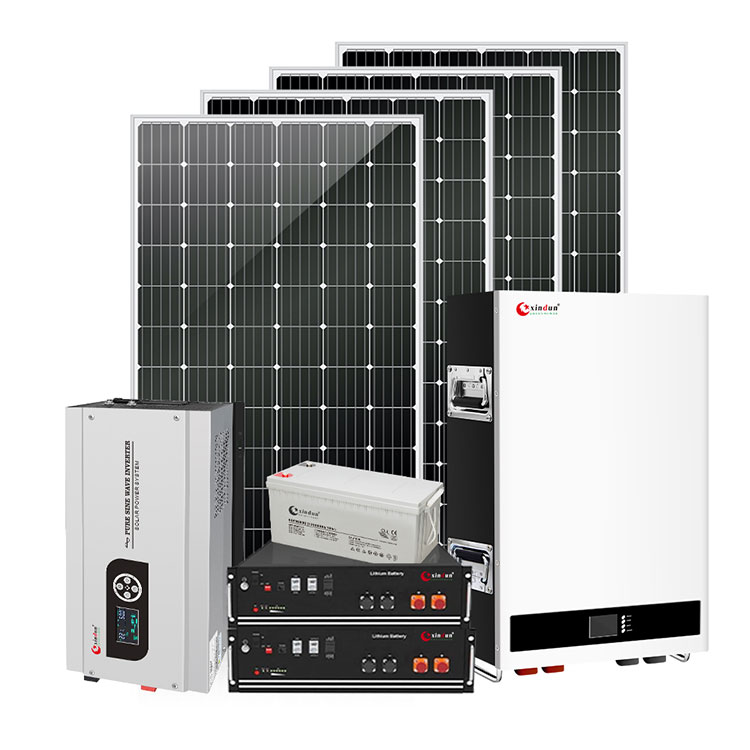
The Xindun LU series inverter is a low frequency inverter featuring low losses and pure sine wave output, providing stable power for various sensitive loads in Chile's power system. It supports flexible and adjustable mains charging current, allowing users to optimize charging and discharging strategies based on battery capacity and electricity price fluctuations, helping to reduce electricity costs. With multiple operating modes, it can operate flexibly in unstable grid conditions or in remote areas relying on diesel generators, ensuring power continuity. It is ideal for mining areas in northern Chile or areas with limited infrastructure in southern Chile. Its compatibility with lithium-ion battery BMSs enables more efficient and secure battery management when connected to energy storage systems, extending battery life and improving return on investment. At the same time, the LU series' fully automatic protection function can cope with problems such as voltage fluctuations, overloads and short circuits, preventing damage to equipment during sudden power outages or grid anomalies.
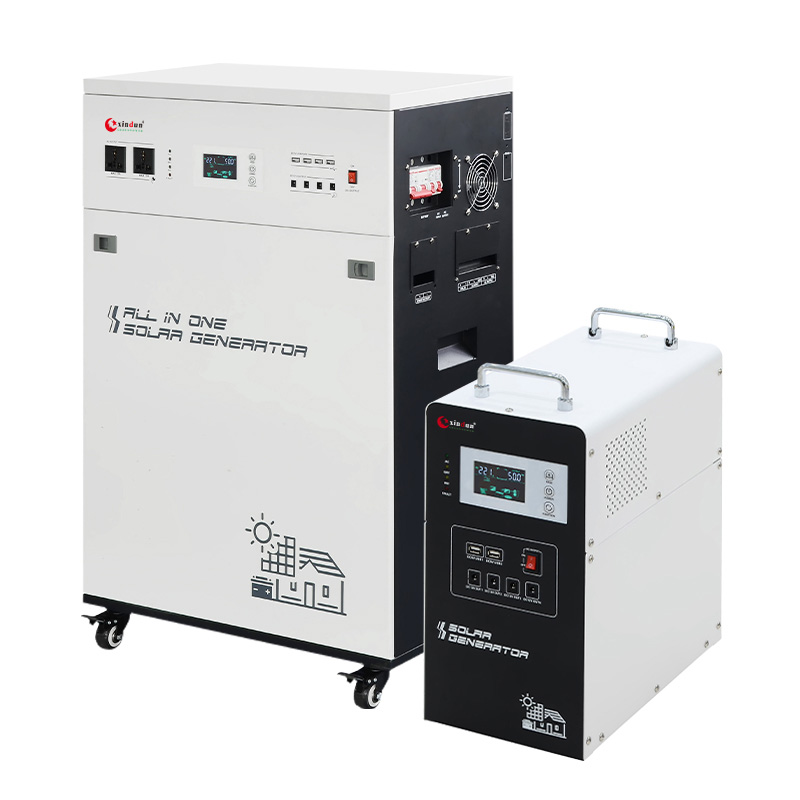
ESS-Li Series All In One Solar Power Generator
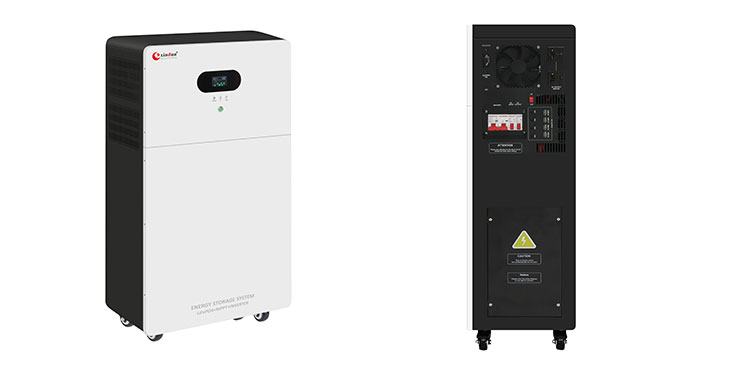
The Xindun ESS-Li series all in one solar power generator converts 12.8V/25.6V/51.2V DC to 220V AC, frequency 50Hz. Power options include 300W, 600W, 1.2KW, 2.2KW, 3KW, 5KW, 6KW, 7KW, and 10KW.
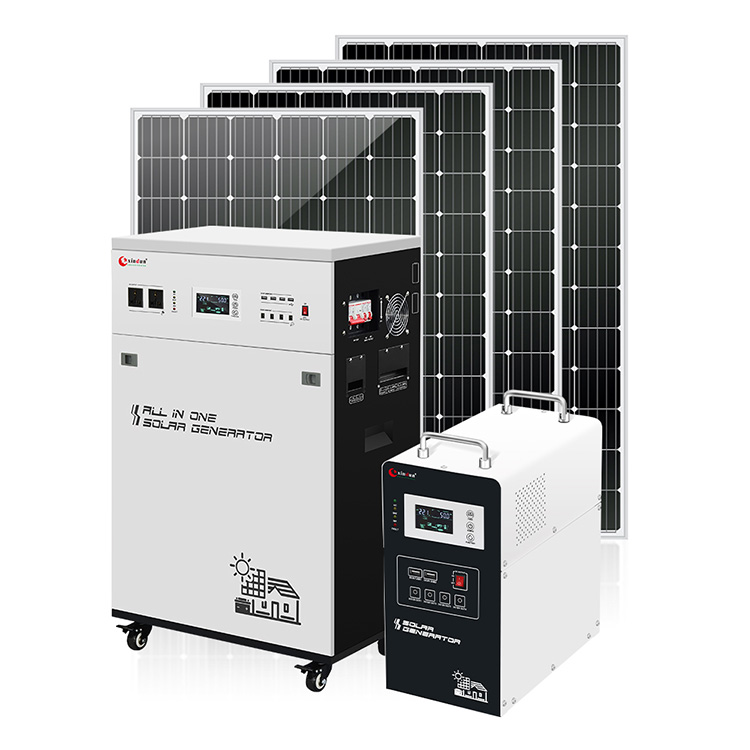
The Xindun ESS-Li series is an all in one solar power generator that integrates an MPPT solar controller, inverter, and lithium battery. Suitable for areas with limited professional maintenance personnel, such as mining areas in the northern Atacama Desert and remote rural areas in the south, it can be quickly put into operation without complex assembly, addressing the challenges of difficult installation and expensive maintenance for local solar system. It features multiple plug and play charging ports: a DC 5V (USB) output port, a DC 12V output port, an AC output socket, and an AC output terminal block. It not only supports solar power generation but also offers flexible access to the grid and diesel/gasoline generators. Solar rich areas in the north can prioritize solar energy storage, alleviating power rationing caused by transmission bottlenecks. In southern areas with weak grids or power outages, diesel and gasoline generators can be used for energy replenishment, gradually replacing expensive diesel generators. During power outages in central China, grid charging can also ensure basic electricity needs. Users can remotely monitor the operating status of the device in real time, avoiding delays caused by inconvenient on site inspections in remote areas. Comprehensive protection features, including overvoltage, overtemperature, and overload, prevent additional losses due to power outages or equipment damage.
Why choose Xindun as your power inverter supplier?
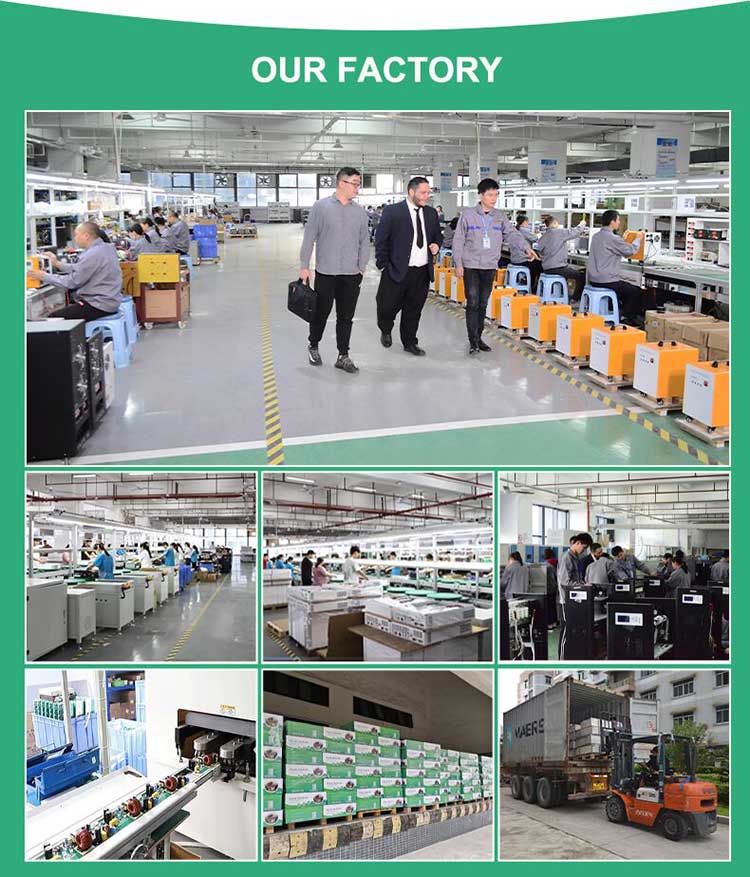
As a Chinese solar company founded in 2006, Xindun specializes in the manufacturing of off grid solar inverter, hybrid inverter, high frequency/low frequency inverter, solar controller, battery, and solar power system. We are not only a factory that manufactures solar products, but also a comprehensive manufacturer integrating R&D, production, testing, and global service. Our products have been exported to over 100 countries and regions worldwide, including Asia, Africa, and South America, and have accumulated numerous successful cases.
Our company boasts a modern factory covering over 10,000 square meters and 12 automated production lines. We adhere to strict standardized production and testing procedures. Every machine undergoes four rigorous tests before leaving the factory to ensure stable performance and long lifespan, providing Chilean customers with a solid guarantee of long term reliable inverters.
Xindun boasts a R&D team of over 30 experienced engineers who continuously innovate based on global market research and the local power environment. Chile's power structure is primarily thermal power, and grid coverage is insufficient in some areas. Remote rural areas and mining areas face even more unstable power supply. To address these challenges, we have developed high efficiency, high temperature resistant solar power inverter that can better adapt to Chile's voltage fluctuations and diverse electricity demand. We also provide OEM/ODM customization services, helping local customers quickly meet market demands and enhance their competitiveness.
All of our solar power inverters are certified by multiple international certifications, including CE, IEC, TÜV, and RoHS, fully complying with Chile's electricity safety and renewable energy standards. We offer complete solar solutions for residential and commercial customers, as well as industrial and mining projects.
As the source manufacturer, Xindun not only offers competitive pricing to our Chilean partners but also helps customers achieve higher profit margins and long term economic benefits by reducing system costs and grid dependence. We also actively participate in major solar and energy storage exhibitions in South America, maintaining close communication with local distributors, wholesalers, and traders to ensure our technology, products, and services remain relevant to market needs.
If you are planning to enter the Chilean solar market and are interested in our inverter products or require a customized solution, please click the link below (https://www.xinduninverter.com/) and leave your contact information and specific requirements in the designated window. Our professional team will contact you promptly to provide customized consulting services and detailed solutions.
 What Is the Solar Electricity Inverter?
 Top Selling Products













 WeChat
 Email
Email WhatsApp