
 Solar Inverter
 Hybrid Inverter
 Power Inverter
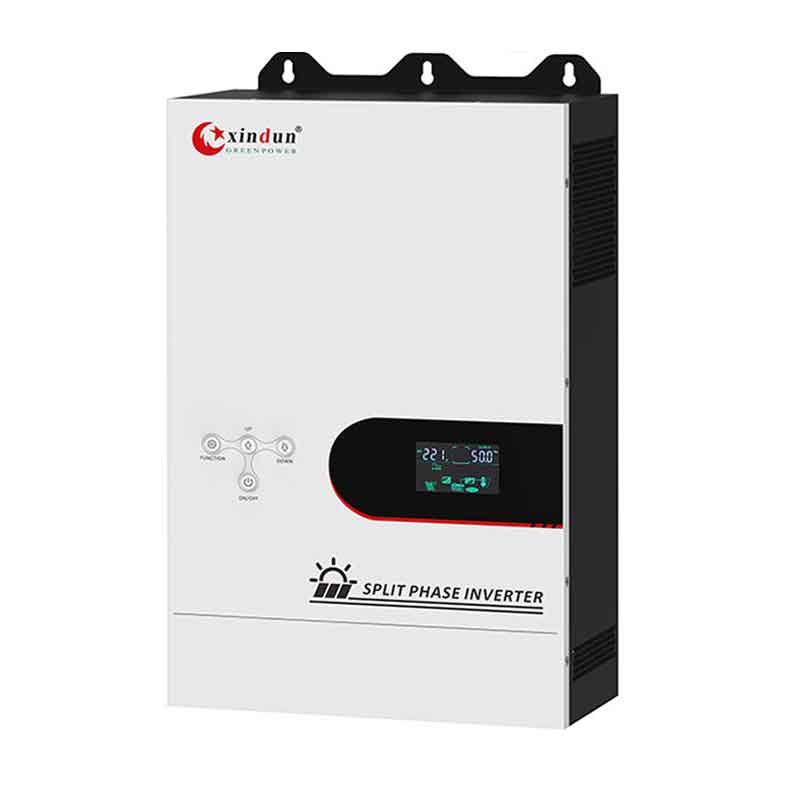
 Split Phase Inverter
 Energy Storage Inverter

 3 Phase Inverter
 Solar System Kits
 Solar Charge Controller

 Solar Battery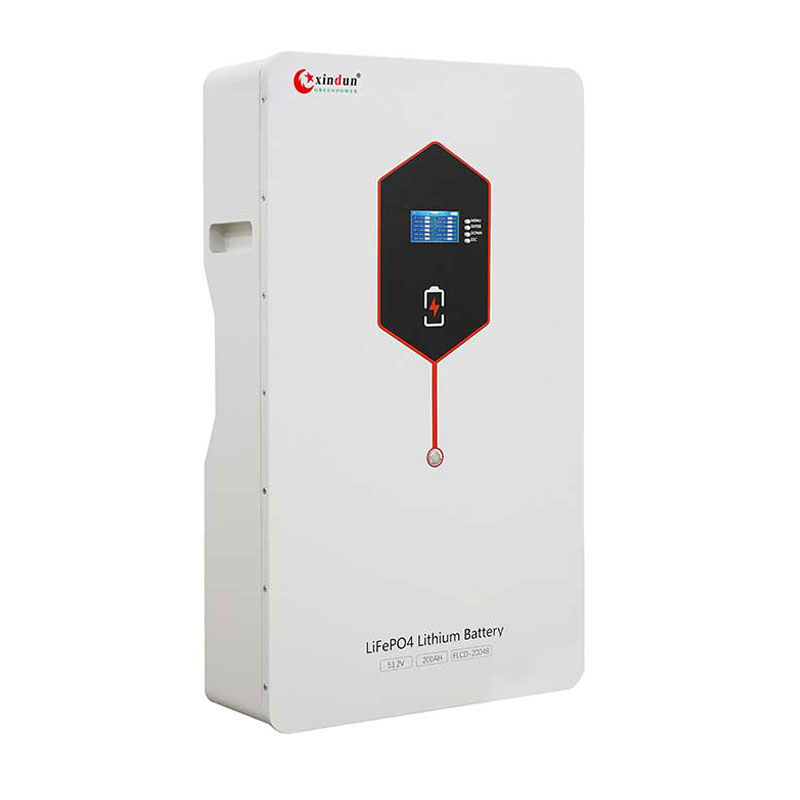
 Asia
Asia
 Africa

 South America
 Europe
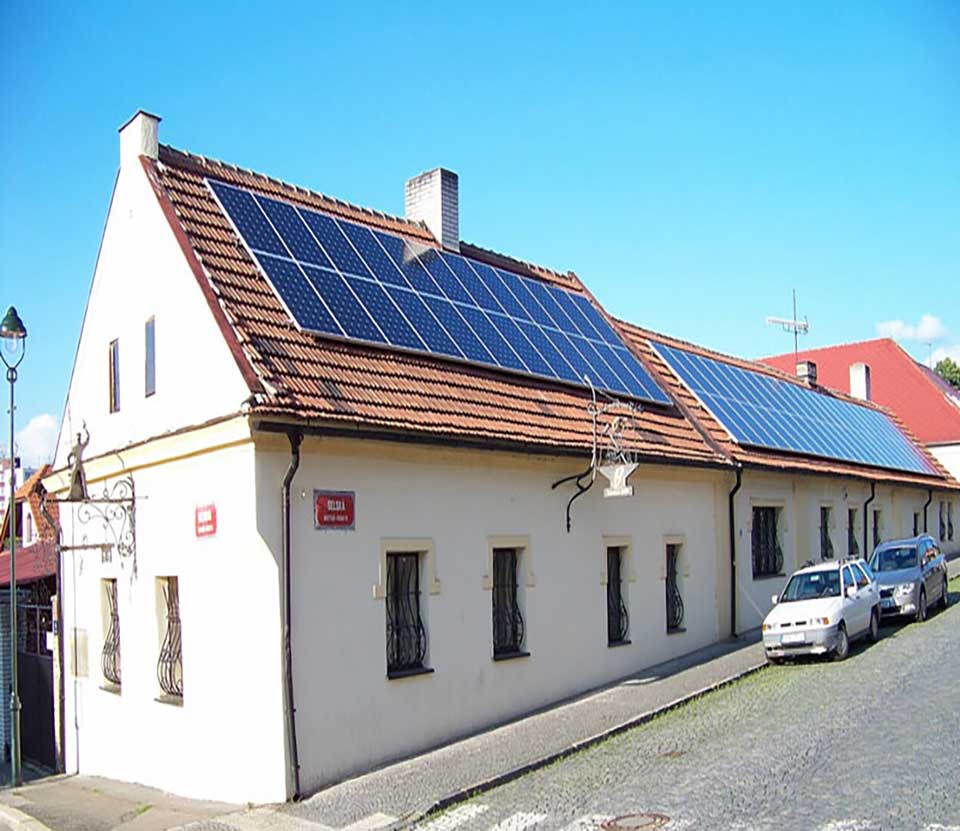
 North America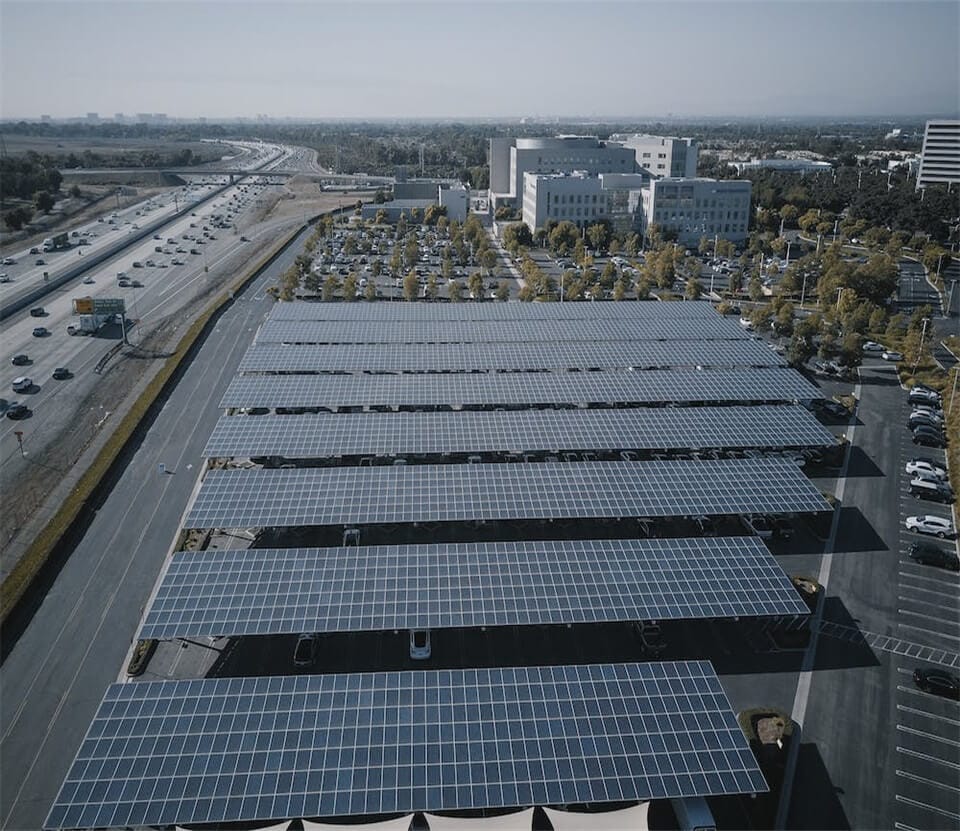
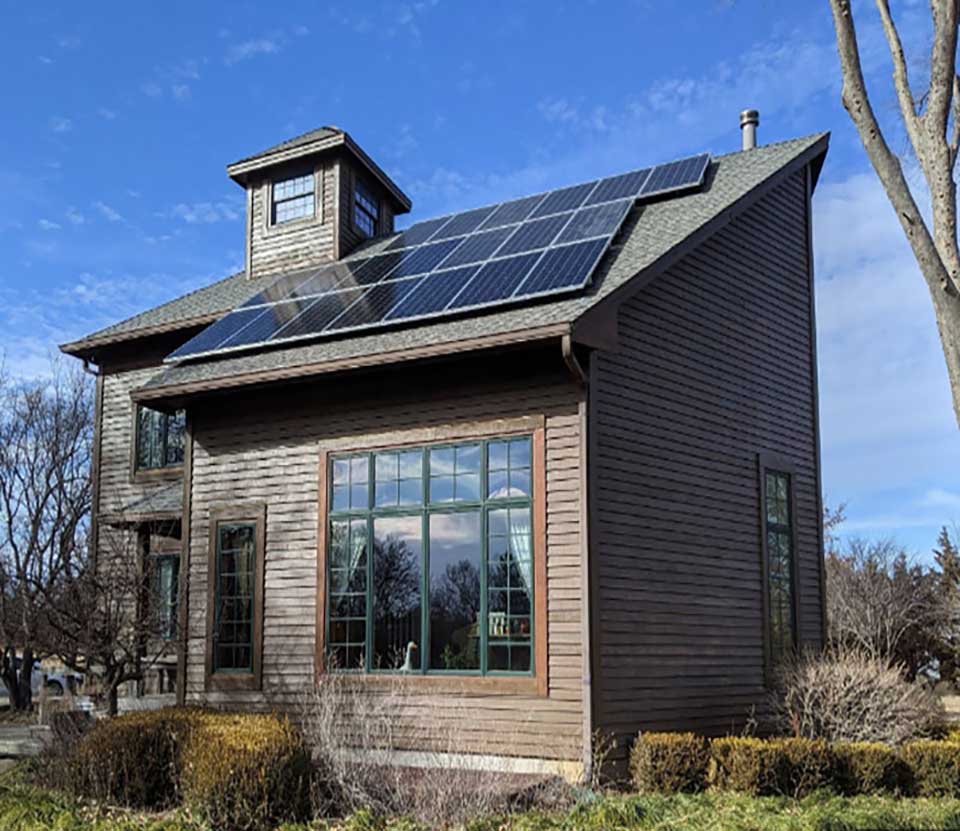
 Oceania & Antarctica


 Inquire
 Home
HomeIs a 6kW Hybrid Inverter the Key to Solving Cuba's Energy Crisis?
 Aug 26,2026

 XINDUN
I. Project Background: Cuba's Electricity Market Status
Since late 2024, Cuba has been experiencing its most severe energy crisis in history. As of August 2026, the country's available power generation capacity stands at only 1.2GW, against a demand of 2.86GW — a power shortfall exceeding 58%. Frequent planned blackouts and sudden outages have become the norm, with some areas experiencing over 8 hours of daily power cuts.
To address this crisis, the Cuban government introduced two key policy measures in May 2026. First, the feed-in tariff for renewable energy was raised from 3 Cuban pesos per kWh to 90 Cuban pesos per kWh — the previously low purchase price made solar investment virtually unprofitable, and the 30-fold increase has finally made distributed solar in Cuba economically viable. Second, the Ministry of Finance and Prices issued Resolution No. 169, granting duty-free import status for solar panels, inverters, and battery storage systems from May 1, 2025, through December 31, 2027, covering over 180 tariff lines with retroactive tax rebates. The feed-in tariff increase boosts revenue, while the duty-free policy reduces costs — together, they create a powerful market driver for Cuba solar energy development.
In fact, Cuba enjoys over 2,800 annual sunshine hours, offering exceptional natural conditions for solar storage development. President Miguel Díaz-Canel has explicitly directed the acceleration of solar Cuba facility deployment and the enhancement of renewable energy storage capacity. It is precisely this market environment that has spurred a growing number of private distributed Cuba solar energy projects across the country.
II. Customer Background: Carlos Fernández's Business Struggle
Policy incentives are one thing, but for business owners caught in the midst of daily blackouts, every day brings real and tangible losses. In late 2025, Xindun Power received an inquiry email from Havana, Cuba. The sender was Carlos Fernández — the owner of a boutique guesthouse hotel in Havana's Miramar district.
Carlos learned about Xindun through a local solar installer who had previously collaborated with us. After comparing several inverter brands on the market, he reached out to our sales team. In his email, Carlos summed up his situation with a single, desperate sentence: “I'm considering shutting down my business — not because of poor occupancy, but because the power situation is driving me insane.”
Carlos's boutique hotel is located in Miramar — a relatively affluent area of Havana, near foreign embassies including the Russian Embassy. The hotel has 12 guest rooms and supporting facilities, including a communal kitchen, a small restaurant, and a water supply system. Yet even in this neighborhood, daily power outages last 8-10 hours, sometimes continuing from daytime through the night, without any prior notice.
These frequent power issues presented him with four core pain points: First, 8-12 power cuts per month made rooms unrentable, forced booking cancellations, and caused significant food spoilage losses. Second, severe voltage fluctuations repeatedly burned out air conditioner compressors, with maintenance costs mounting. Third, black market diesel prices had skyrocketed to $7 per liter with severe supply shortages — and even when fuel was available, generator noise and emissions drew constant guest complaints. Fourth, Cuba uses the US-standard 120V/240V split-phase system, while most inverters on the market are single-phase 220V, unable to simultaneously support both voltage loads within the hotel. These four issues combined to make Carlos's business operation increasingly untenable.
III. Xindun Customized Power Solution
To address Carlos's specific situation, Xindun's technical team conducted an on-site assessment through a local partner installer in February 2026. The evaluation revealed a daytime peak load of approximately 2.5-3kW and a nighttime continuous load of approximately 700-800W. Based on this data, the team customized the following solution:
Core Equipment Configuration:
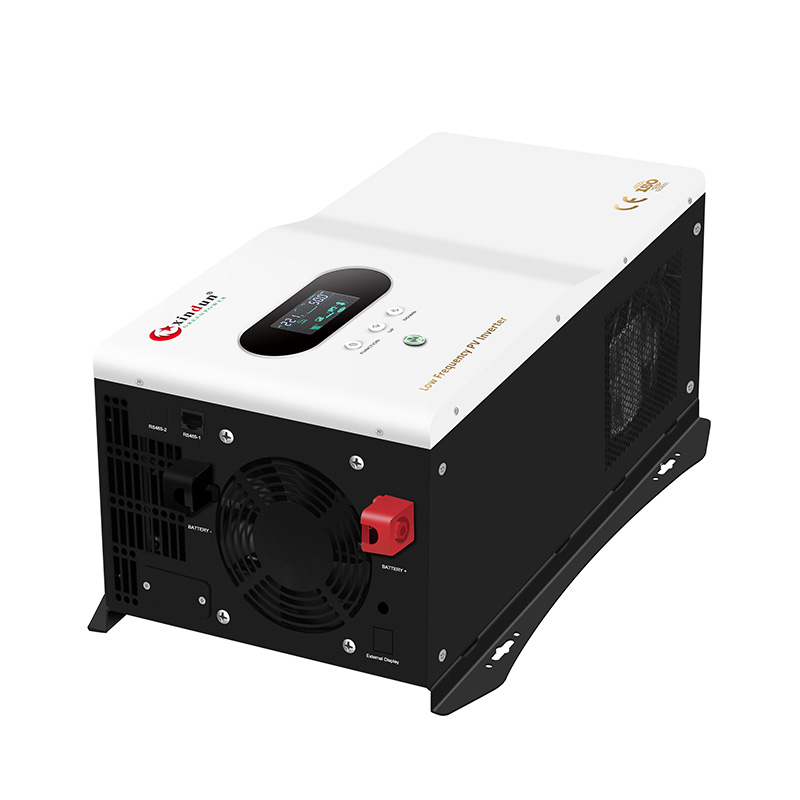
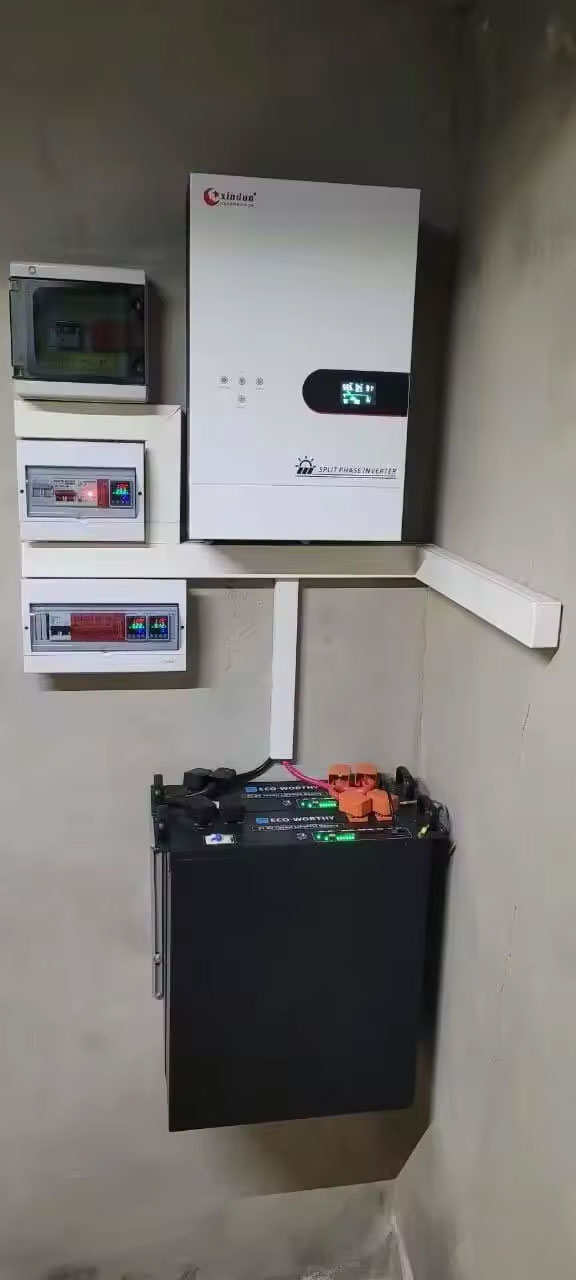
One Xindun LU 6kW hybrid inverter (split-phase 120V/240V output, perfectly matching Cuba's distribution standard)
Ten 550W monocrystalline panels (5.5kWp total, 0.92:1 DC/AC ratio, configured as 2 strings × 5 panels, MPPT voltage fully within the 120-450VDC range)
One 48V 200Ah LiFePO₄ battery bank (9.6kWh total storage, 7.68kWh usable at 80% DoD, supporting 9-11 hours of nighttime operation)
Why the LU inverter 6kW?
The Xindun LU series is a split-phase hybrid inverter designed specifically for countries with dual-voltage standards like Cuba's 120V/240V system. This product’s three core advantages align precisely with Carlos's needs:
First, true split-phase output simultaneously supports both 120V and 240V loads within the hotel — a capability most competing products lack. The LU series supports both single-phase and split-phase input, and delivers dual-voltage output of 110V/220VAC or 120V/240VAC, perfectly matching Cuba‘s distribution standard.
Second, the built-in low-frequency transformer delivers strong support for inductive loads — ensuring smooth air conditioner startup and stable operation even under unstable grid conditions, with fewer trip issues than typical high-frequency units.
Third, intelligent management supports three operating modes (grid-tied/off-grid/hybrid) with millisecond-level transfer, lithium battery BMS communication for real-time battery monitoring, and parallel expansion capability. The built-in MPPT solar charge controller maximizes solar tracking efficiency.
In terms of generation capacity, with Cuba's average annual sunshine of approximately 2,800 hours, the system generates about 23.3kWh per day and 700kWh per month — sufficient to cover the hotel's daytime loads and complete battery charging, with surplus power further reducing grid dependency.
LU Key Specifications:
|
Parameter |
Specification |
|
Rated Power |
6000W |
|
Peak Power |
18000VA |
|
Battery Voltage |
48VDC |
|
Max PV Input |
5600W |
|
MPPT Range |
120-450VDC |
|
Output Voltage |
110/220V or 120/240V |
|
Output Waveform |
Pure Sine Wave |
|
Operating Modes |
Grid-tied / Off-grid / Hybrid |
|
Communication Ports |
RS485 / WiFi |
Key Features: Split-phase output · BMS communication · Anti-reverse current · Parallel operation
IV. Performance Results & Customer Feedback
The system was commissioned in March 2026 and has been in stable operation for five months as of August 2026 — with results far exceeding expectations.
Grid dependency dropped from 100% to approximately 20%, meaning the hotel now relies on solar in Cuba for 80% of its power needs. Outage-related business interruptions fell from 8-12 times per month to zero, and the diesel generator has been completely retired. In terms of return on investment, the total system cost was approximately 6,500 Cuban pesos, with monthly savings on electricity and avoided business losses of approximately 320 Cuban pesos — yielding a simple payback period of approximately 20 months (under 2 years). This impressive ROI demonstrates the economic viability of investing in a 6kw hybrid inverter for Cuba solar energy applications.
Carlos shared in his August 2026 follow-up: "I used to dread every evening — wondering if the power would go out and for how long. Now I don't think about it at all. Solar charges the batteries during the day, and when the grid fails at night, it switches over automatically. My guests don't even know there‘s an outage outside. Before Xindun, I tried three other brands — either they couldn't handle the air conditioners or they would trip as soon as the voltage fluctuated. The Xindun LU 6kw hybrid inverter is the only one that's run stably here for over five months."
V. Cuba Market Opportunities
Carlos's case is far from an isolated example — it reflects the profound transformation underway in Cuba solar energy market. The market is currently at the threshold of a boom, and for system integrators, distributors, and other B2B partners, several key signals are worth noting.
Explosive market growth: In 2025, Cuba added 51 new solar plants with a total capacity exceeding 1,000MW — more than four times its cumulative installed capacity to date. Entering 2026, the government plans to add another 1,000MW of new PV capacity, with the goal of raising renewable energy's share of electricity generation to 15% for the full year. China has been the primary equipment supplier driving this expansion — Chinese solar panel exports to Cuba reached $117 million in 2025. The Cuban government’s long-term targets are clear: 24% renewable energy by 2030, 40% by 2035, and 100% by 2050.
Limited policy window: Resolution No. 169's duty-free benefits are valid only through December 31, 2027 — less than a year and a half remaining. The policy covers over 180 tariff lines including inverters, panels, and batteries, with retroactive tax rebates available. For B2B partners looking to enter the Cuban market, now is the golden window.
Localized product selection is essential: Split-phase 120V/240V output is a non-negotiable requirement for Cuba's dual-voltage standard; low-frequency transformer architecture is the "minimum standard" for long-term reliable operation in Cuba's harsh grid environment; and the 6kw hybrid inverter represents the core power tier for local commercial users such as guesthouses, small hotels, and restaurants — offering the best overall cost-performance ratio for Cuba solar energy deployments.
VI. About Xindun Power
Guangdong Xindun Power Technology Co., Ltd., established in 2006, brings nearly 20 years of inverter R&D and manufacturing expertise to the global market. With a factory spanning over 20,000 square meters and products exported to more than 100 countries across Southeast Asia, Africa, Latin America, and beyond, Xindun delivers reliable power solutions worldwide.
The company maintains its own technical R&D team and offers a comprehensive product portfolio including low-frequency/high-frequency inverters, hybrid inverters, MPPT controllers, and more. Xindun holds ISO9001, CE, ROHS, and other international certifications, supports OEM/ODM customization, and provides end-to-end service from system design to after-sales support. The Xindun LU series split-phase inverter is specifically designed for countries with dual-voltage standards like Cuba, supporting both 110V/220V and 120V/240V input and output configurations.
Cuba is undergoing the world's fastest solar revolution, driven by an extreme energy crisis. With duty-free policies, surging demand, and a supply vacuum converging in this market window, the Xindun LU 6kW hybrid inverter — with its optimal power rating, true split-phase output capability, low-frequency transformer reliability, and wide MPPT range — is the ideal product for capturing Cuba's small-to-medium commercial solar-storage market.
 HFU Series Single-Phase Hybrid Inverter for Mexico Solar PV Market
 Related Application
 Top Selling Products













 WeChat
 Email
Email WhatsApp